Industrial Boilermaking: Processes, Standards and Applications Guide
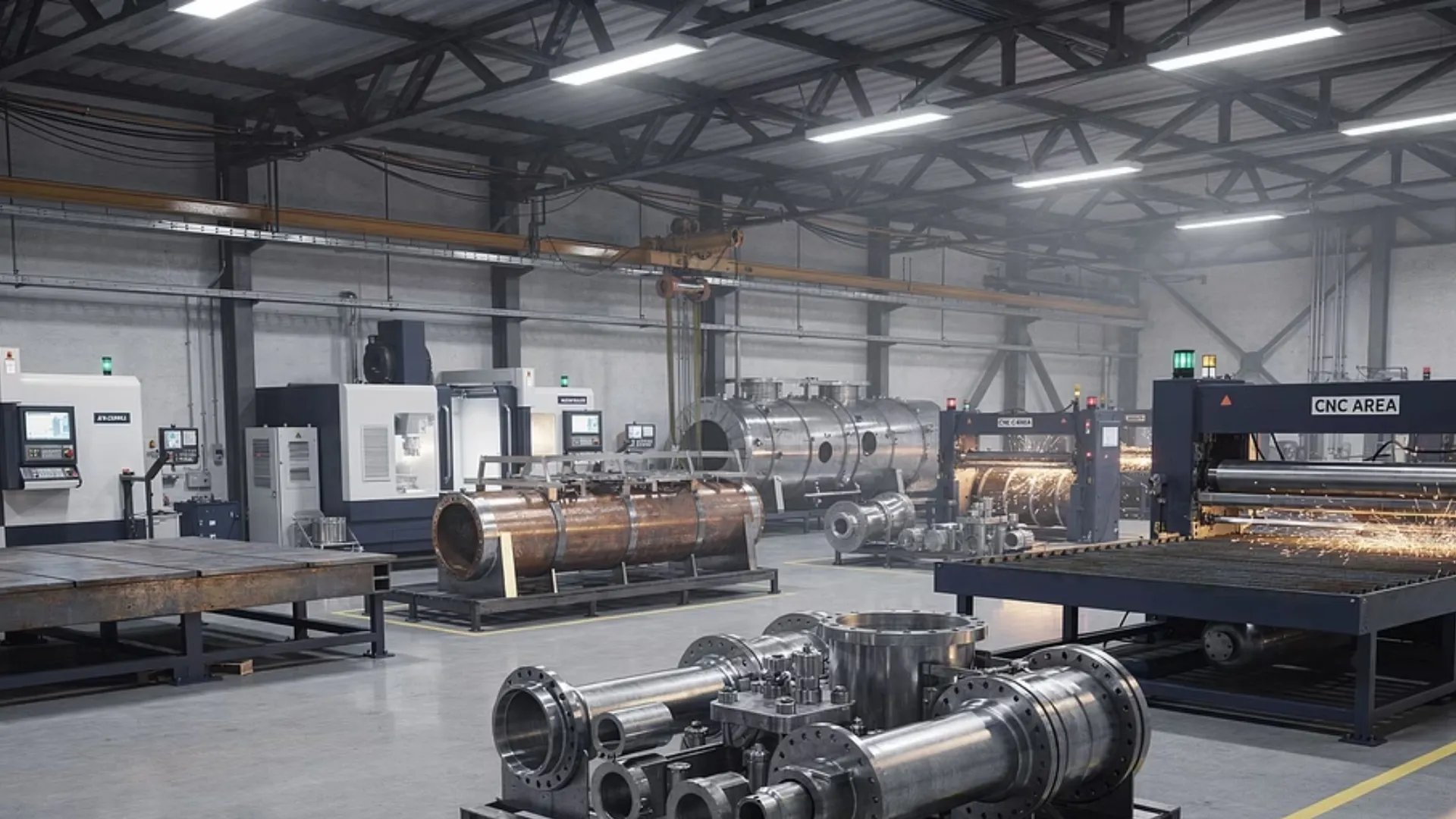
Industrial boilermaking encompasses all cutting, forming, welding and assembly operations applied to metal components destined for industry. From storage vessels to special-purpose machine frames, load-bearing structures and process pipework, this discipline forms the backbone of European metal fabrication. With mounting recruitment pressures in the metallurgy sector in 2026, subcontracting industrial boilermaking has become a strategic lever for original equipment manufacturers.
What is industrial boilermaking
Industrial boilermaking refers to the transformation of metal plates, tubes and sections into welded and assembled units intended for demanding applications. It differs from light sheet-metal work in the thickness of the materials processed (generally above 3 mm) and in the complexity of the assemblies produced.
Commonly used materials include:
- Carbon steel — structures, frames, machine beds
- Stainless steel — food-grade vessels, pharmaceutical equipment, chemical pipework
- Aluminium — lightweight structures, railway and aerospace sectors
- Special alloys — titanium, Inconel, Duplex for high-temperature or corrosion applications
Industrial boilermaking plays a role at every stage of a special-purpose machinery project: from one-off prototypes through to small and medium production runs.
Industrial boilermaking processes
The manufacturing process in industrial boilermaking follows four principal phases:
Cutting
Cutting is the first stage. The techniques employed depend on the material, thickness and precision required:
| Process | Typical thickness | Precision |
|---|---|---|
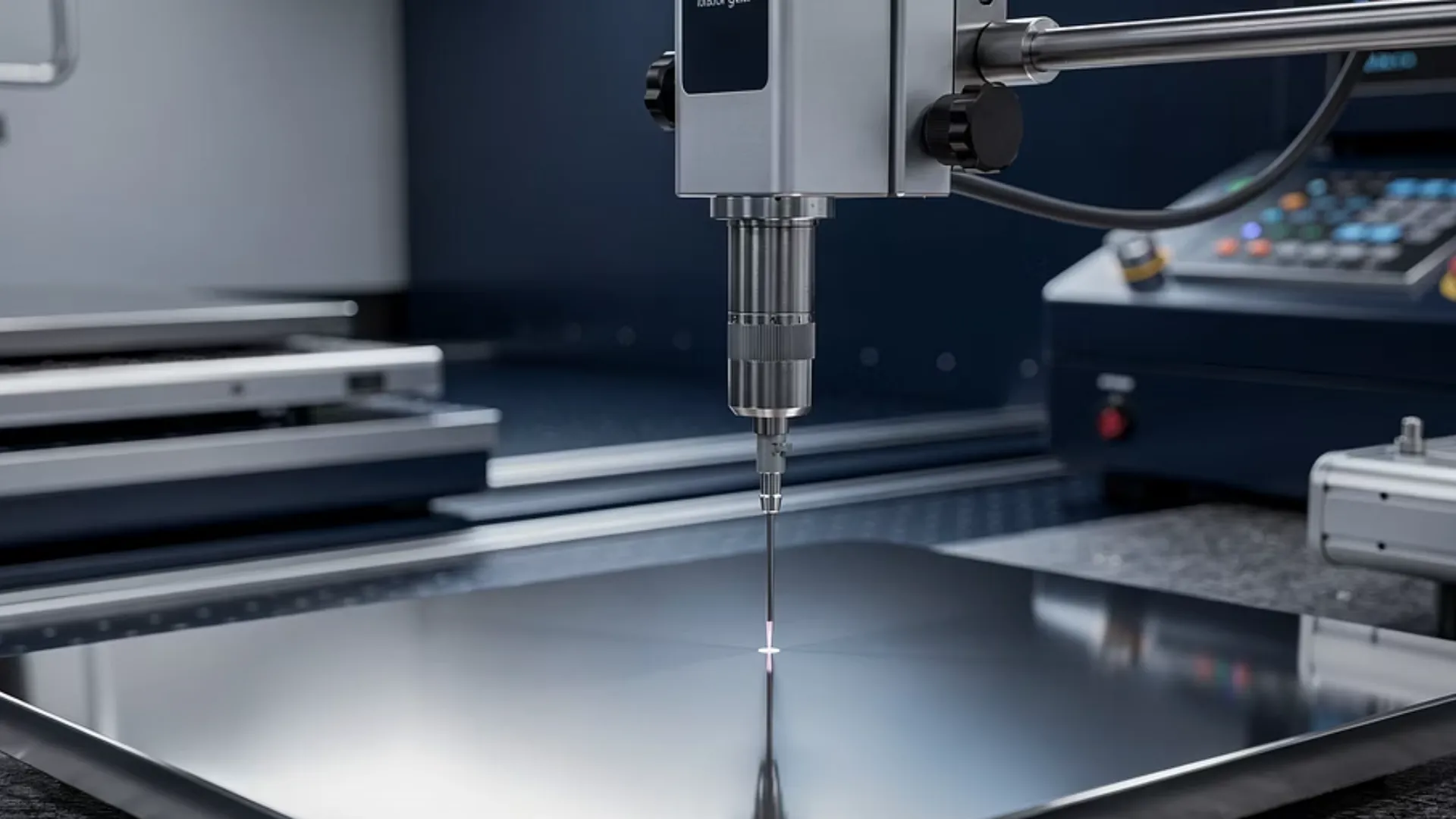
| Fibre laser | 0.5 – 25 mm | +/-0.1 mm |
| Plasma | 3 – 80 mm | +/-0.5 mm |
| Oxy-fuel | 10 – 300 mm | +/-1 mm |
| Waterjet | 1 – 200 mm | +/-0.1 mm |
Forming
Forming gives geometry to the cut parts: bending on press brakes, rolling for cylindrical shells, tube bending and deep drawing for complex shapes.
Welding
Welding is the heart of industrial boilermaking. The principal processes include:
- TIG (GTAW) — maximum precision, stainless steel and aluminium
- MIG/MAG (GMAW) — high productivity, carbon steel and stainless steel
- Submerged arc welding (SAW) — heavy thicknesses, long seams
- [Robotic welding](/en/noticias/soldadura-robotizada-industrial) — repeatability and throughput for series production
Welder qualification to ISO 9606 and procedure qualification to ISO 15614 are prerequisites for any reputable industrial boilermaking workshop.
Assembly and finishing
Final assembly comprises mechanically welded fabrication, weld-seam dressing, shot blasting or sandblasting, surface treatments and non-destructive testing (NDT): dye penetrant, magnetic particle, radiographic or ultrasonic inspection.
Standards and certifications in industrial boilermaking
The regulatory framework for industrial boilermaking is rigorous. The principal applicable standards are:
- ISO 9001:2015 — Quality management system. The mandatory baseline for any credible subcontractor.
- ISO 3834 (Parts 1 to 5) — Quality requirements for fusion welding of metallic materials. Defines three requirement levels: elementary, standard and comprehensive.
- ISO 15614 — Specification and qualification of welding procedures. Each material/process combination must be qualified.
- ISO 9606 — Qualification testing of individual welders.
- ISO 13920:1996 — General tolerances for welded constructions: linear and angular dimensions, form and position.
- EN 13480 — Metallic industrial piping. The reference standard for the energy and petrochemical sectors.
- EN 13445 — Unfired pressure vessels.
Looking for an industrial boilermaking and CNC machining partner?
Request a quotation — our technical team will review your drawings and specifications.
Application sectors for industrial boilermaking
Industrial boilermaking serves numerous sectors with exacting technical requirements:
- Food and beverage — fermentation tanks, mixers, stainless-steel storage silos
- Chemicals and pharmaceuticals — reactors, distillation columns, process pipework
- Energy — boilers, heat exchangers, turbine support structures
- Railway — frames, bogies, carriage and tramway structures
- Aerospace — load-bearing structures, fuselage elements
- Hydraulics — valve bodies, manifolds, pump casings
- [Special-purpose machinery](/en/servicios/mecanizado) — machine beds, brackets, frames for automated lines
Each sector imposes specific requirements in terms of materials, tolerances, welding qualifications and inspection. An industrial boilermaking provider must adapt its processes to each technical specification.
Why subcontract industrial boilermaking
Investment in boilermaking equipment represents a considerable commitment. By way of example, a fibre laser cutting machine costs between 300,000 and 800,000 euros, without accounting for maintenance and operator training. Subcontracting offers an economically rational alternative.
Advantages of outsourcing:
- Reduced capital investment — no capex on heavy equipment
- Access to specialist skills — qualified welders, metrology technicians, CNC programmers
- Capacity flexibility — adapt to workload fluctuations without idle personnel
- Regulatory compliance — the subcontractor maintains certifications and qualifications
- Focus on core business — design, integration and commercialisation
Labour-market pressure in the metallurgy sector reinforces this trend. Boilermaking and pipefitting trades rank among the most difficult to recruit for in Europe in 2026. Outsourcing provides access to qualified resources without the constraints of direct hiring.
Industrial boilermaking and CNC machining: a complete integration
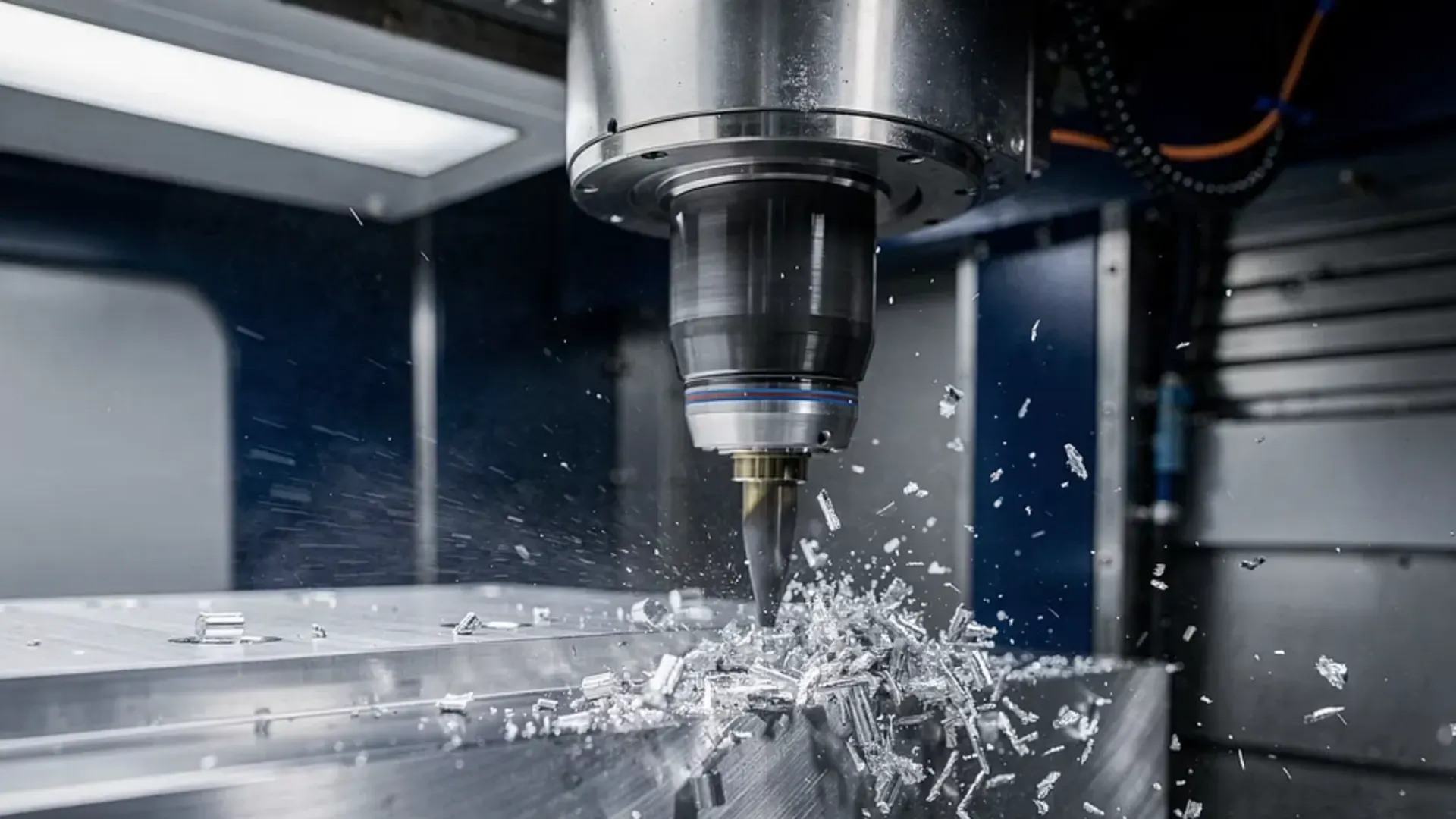
Industrial boilermaking is seldom a standalone discipline. Welded assemblies frequently require subsequent precision machining: face milling of flanges, boring of housings, drilling of fixing holes. This boilermaking-to-machining sequence lies at the heart of special-purpose machinery manufacturing.
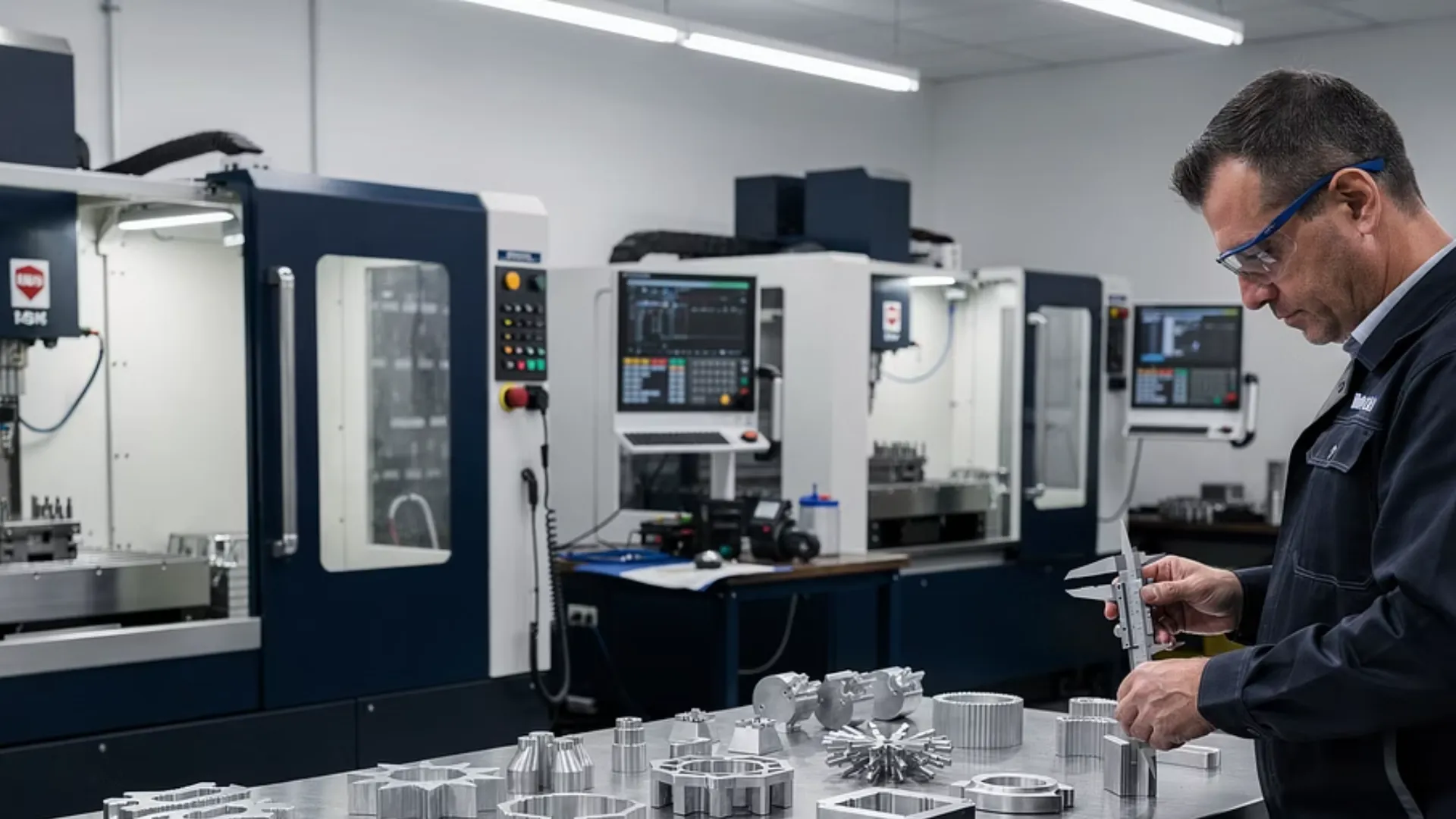
MECVIL operates a 600 m2 welding workshop equipped with MIG/MAG and TIG stations as well as robotic welding cells with industrial robots. Our welders are qualified to the applicable ISO standards.
What sets us apart is integration. Under a single 10,500 m2 roof in Sallent, near Barcelona, we combine:
- [Engineering](/en/servicios/ingenieria) — 3,000 h/month of mechanical and electrical design
- Boilermaking and welding — 600 m2 dedicated workshop
- [CNC machining](/en/servicios/mecanizado) — 5,000 h/month, milling up to 20 metres of travel
- [Electromechanical assembly](/en/servicios/montaje) — 5,000 h/month
- [Electrical division](/en/servicios/electrica) — PLC programming, electrical cabinets, robotics
This integration enables us to deliver turnkey projects — from design through to commissioning — with a single point of contact. Over 110 professionals, including 30+ engineers, ensure every phase of the project.
Have an industrial boilermaking project? Contact MECVIL for a no-obligation quotation. ISO 9001 certified, 50 years' experience in metal fabrication, and integrated capability from engineering to delivery.