
CNC Aluminium Machining: Alloys, Parameters and Applications
What is CNC aluminium machining
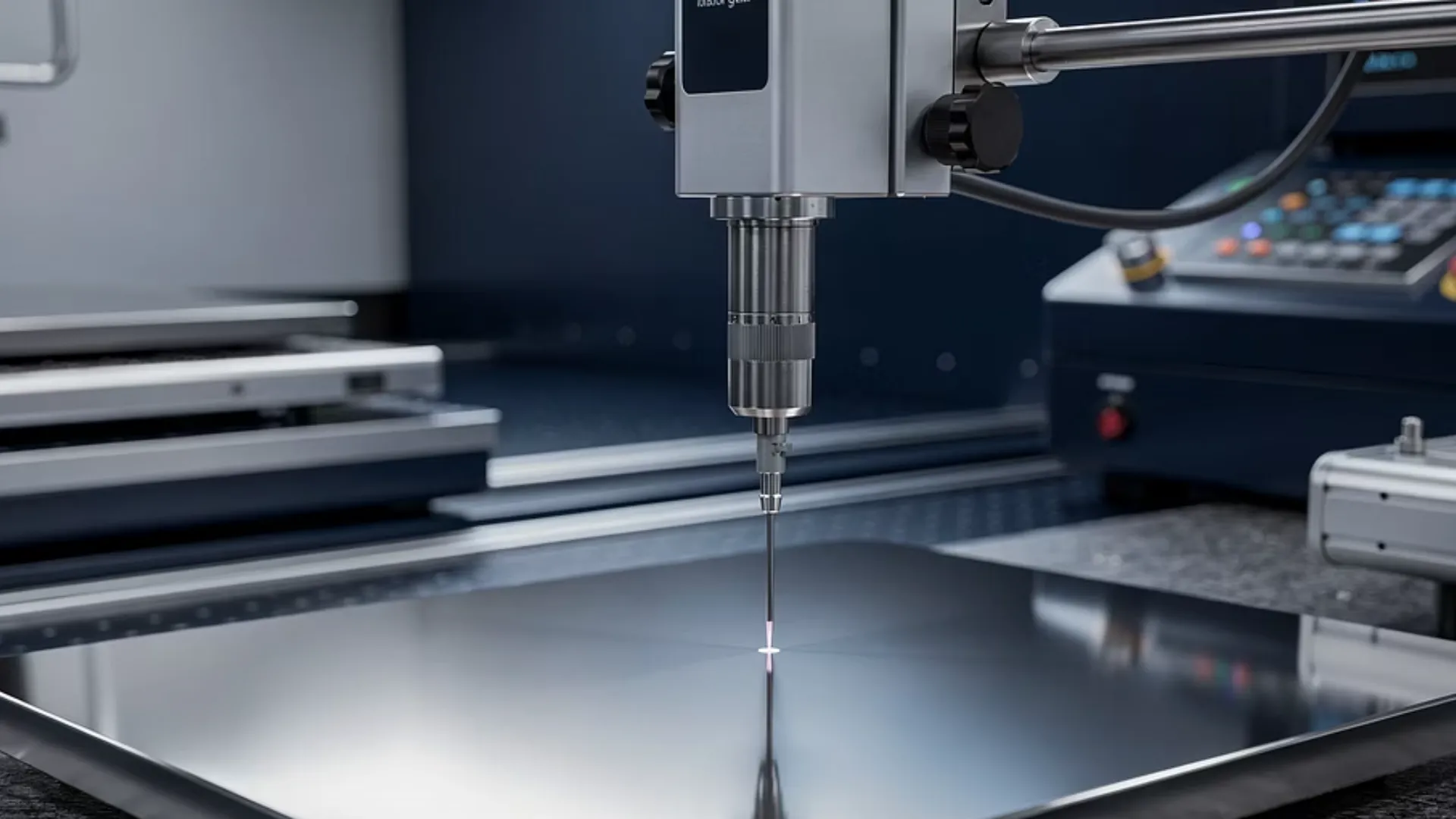
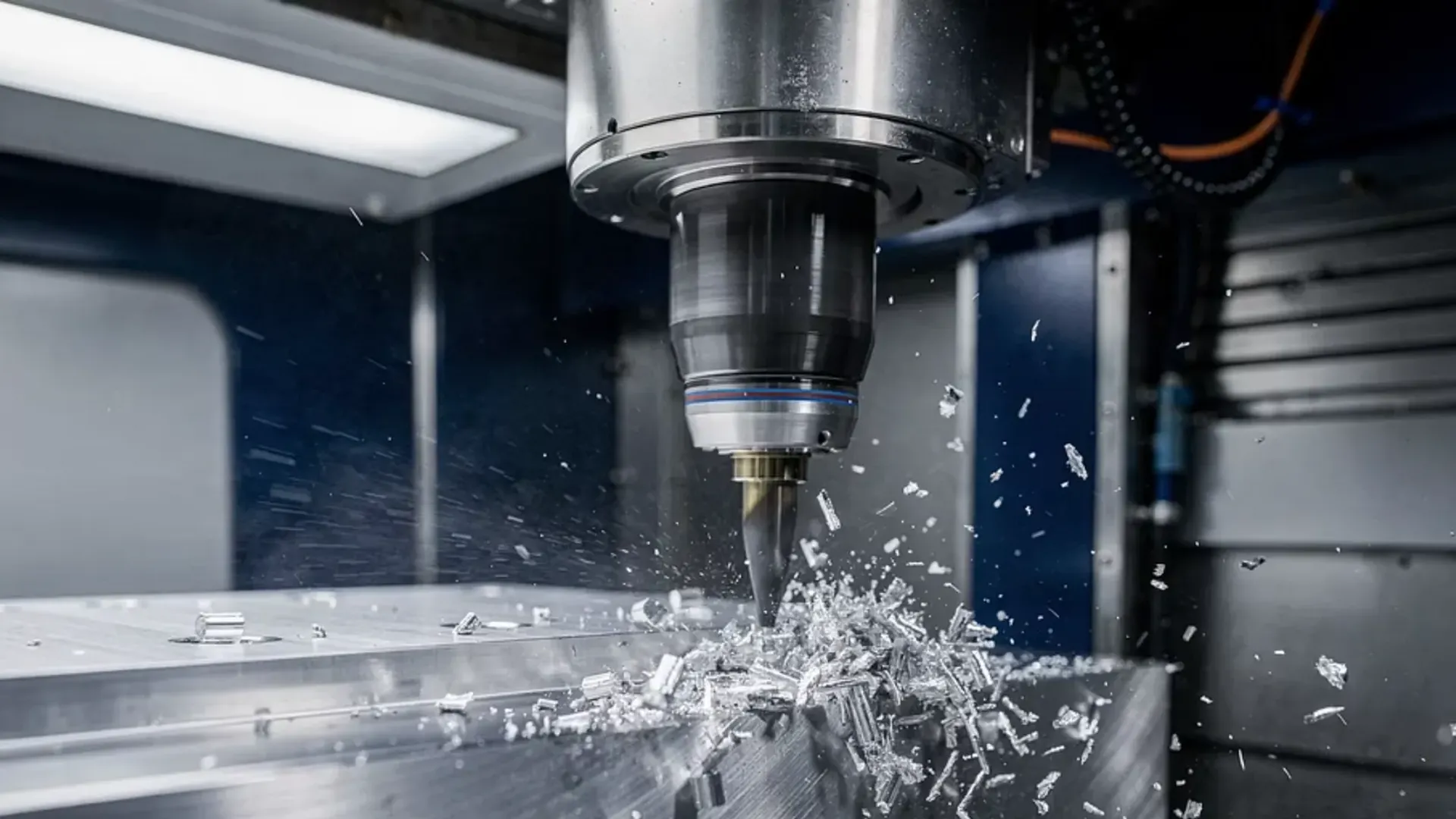
CNC aluminium machining is the process of shaping aluminium parts using numerically controlled machines — milling centres, lathes and machining centres — that follow programmed toolpaths with micrometric precision. Unlike other metals, aluminium allows high cutting speeds, causes less tool wear and delivers an excellent surface finish without secondary operations.
These properties make aluminium the material of choice for sectors that demand lightweight, strong and dimensionally stable parts: aerospace, railway, defence and automotive. At MECVIL, aluminium machining is one of our specialities, with latest-generation CNC machinery and capacity for structural profiles up to 20 metres long.
Aluminium alloys for CNC machining
Not all aluminium machines the same way. The choice of alloy determines the mechanical strength, machinability, corrosion resistance and thermal behaviour of the finished part.
| Alloy | Designation | Strength (MPa) | Machinability | Typical applications |
|---|---|---|---|---|
| 6061-T6 | Al-Mg-Si | 310 | Excellent | Structures, jigs, railway frames |
| 7075-T6 | Al-Zn-Mg-Cu | 570 | Good | Aerospace, defence, high-load components |
| 2024-T3 | Al-Cu-Mg | 485 | Good | Aeronautical skins, fatigue-critical elements |
| 5083-H116 | Al-Mg | 317 | Moderate | Marine, cryogenics, welded structures |
| 6082-T6 | Al-Mg-Si | 340 | Excellent | Structural profiles, transport |
6061-T6 is the most versatile alloy and the one we machine most frequently in railway and industrial projects. When maximum mechanical strength is required — aerospace or defence — we work with 7075-T6 and 2024-T3, alloys that need specific cutting parameters to avoid residual stresses.
Cutting parameters for aluminium
Aluminium allows significantly higher cutting speeds than steel, but incorrect parameter settings cause burrs, poor surface finish or workpiece deformation. Reference values for CNC milling of aluminium are:
- Cutting speed (Vc): 300–1,000 m/min, depending on the alloy and tool. Series 6xxx alloys allow the highest speeds.
- Feed per tooth (fz): 0.05–0.25 mm/tooth. A low feed produces a better finish; a high feed maximises the material removal rate.
- Axial depth of cut (ap): up to 1×D of the cutter for roughing, 0.1–0.3×D for finishing.
- Coolant: essential, using emulsion or compressed air with MQL (minimum quantity lubrication). Aluminium tends to weld to the tool (_built-up edge_) if chip evacuation and cooling are insufficient.
Recommended tools are uncoated or diamond-coated (PCD) solid carbide end mills with 2 or 3 flutes, a high helix angle (45°) and wide flute channels for efficient chip evacuation.
Need to machine aluminium parts to tight tolerances?
At MECVIL we work with aeronautical alloys and precision machining on CNC centres with up to 20 metres of travel. Request a quote with your drawings and specifications.
Which sectors demand CNC aluminium machining?
CNC aluminium machining spans multiple industries, although certain sectors account for the greatest demand due to their requirements for light weight, strength and precision:
- Railway: structural profiles for bogie frames, bodyshells and interior elements. 6061 and 6082 alloys are most common thanks to their weldability and corrosion resistance.
- Aerospace: structural components, ribs, spars and skins in 7075 and 2024. Tight tolerances and full traceability documentation.
- Defence: lightweight armour panels, electronics system brackets and vehicle components in 7075-T6 and 5083.
- Automotive: inspection jigs, body elements and functional prototypes in 6061.
- Energy and industry: heat sinks, equipment housings and support structures for machinery.
At MECVIL we undertake aluminium machining projects for these sectors from our engineering department, which validates the design for manufacturability before production begins.
Advantages of aluminium over other materials
Why choose aluminium when steel or stainless steel also meet structural requirements? The advantages of aluminium in CNC machining are clear:
- Weight: density of 2.7 g/cm³ versus 7.85 g/cm³ for steel. An aluminium part weighs one third of its steel equivalent.
- Machinability: cutting speeds 3–5 times higher than steel, reducing machining time and cost per part.
- Surface finish: aluminium achieves Ra 0.8 µm finishes directly on the CNC machine, without additional grinding.
- Corrosion resistance: 5xxx and 6xxx series alloys resist atmospheric corrosion without treatment and can be anodised for further protection.
- Thermal conductivity: 205 W/m·K (versus 50 W/m·K for steel), making it ideal for heat sinks and thermal applications.
- Recyclability: aluminium is 100 % recyclable with no loss of properties, a relevant factor for projects with sustainability requirements.
The main limitation is mechanical strength: even 7075-T6 (570 MPa) falls short of high-strength steels. For applications where structural load is the dominant factor, steel remains the right choice. At MECVIL we assess each project to recommend the optimal material, combining our experience in CNC machining with detailed engineering analysis.
CNC aluminium machining at MECVIL
At MECVIL we have been machining aluminium for the most demanding sectors for over 50 years. Our capabilities include:
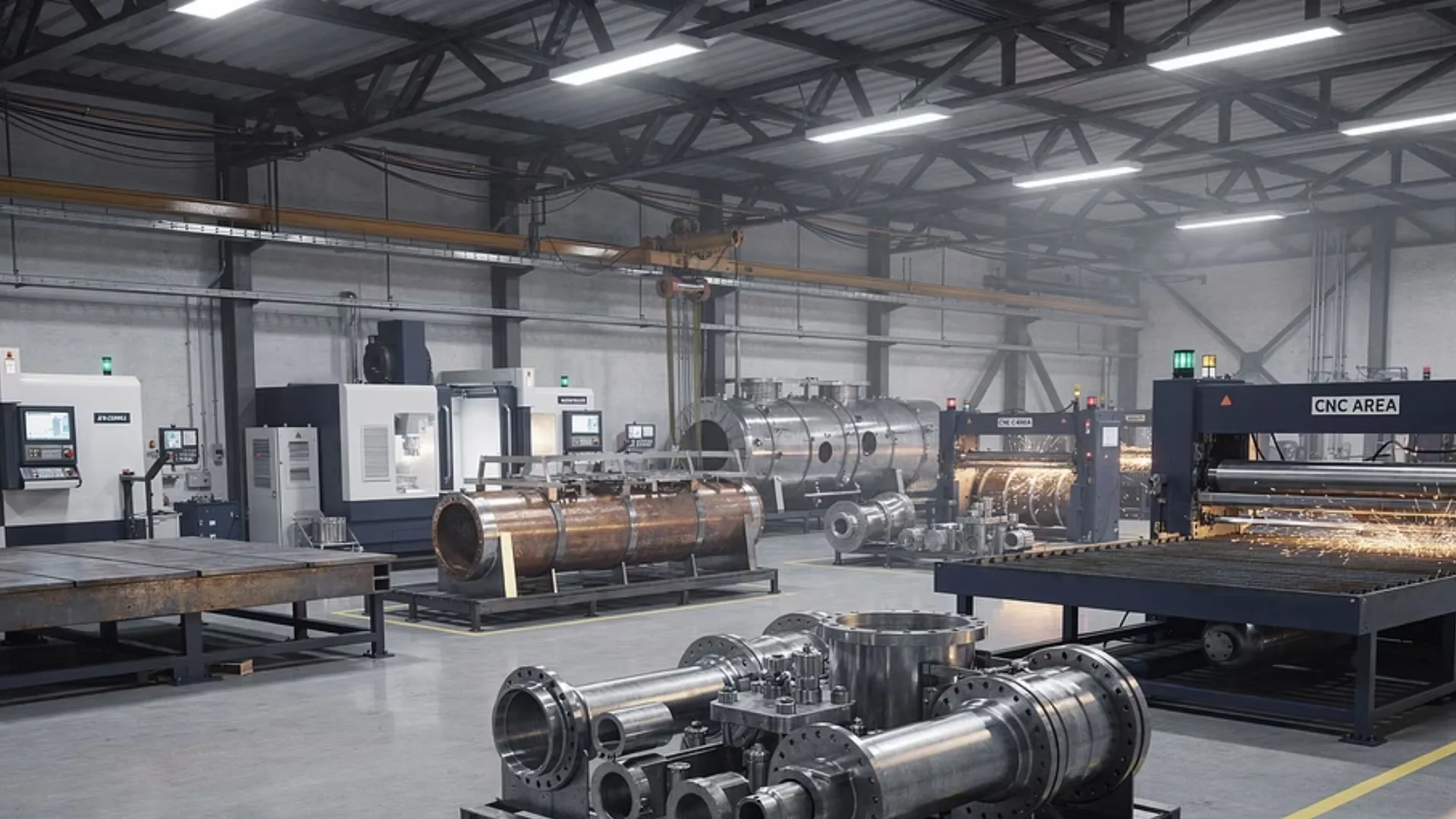
- Latest-generation CNC machinery: 5-axis simultaneous machining centres and fixed-bed milling machines with travels up to 20 metres (SORALUCE FP20), ideal for large-dimension parts.
- Production capacity: 5,000 hours/month of CNC machining, with flexible shifts for urgent projects.
- Technical team: over 110 professionals, including mechanical engineers specialised in CAD/CAM programming for aluminium.
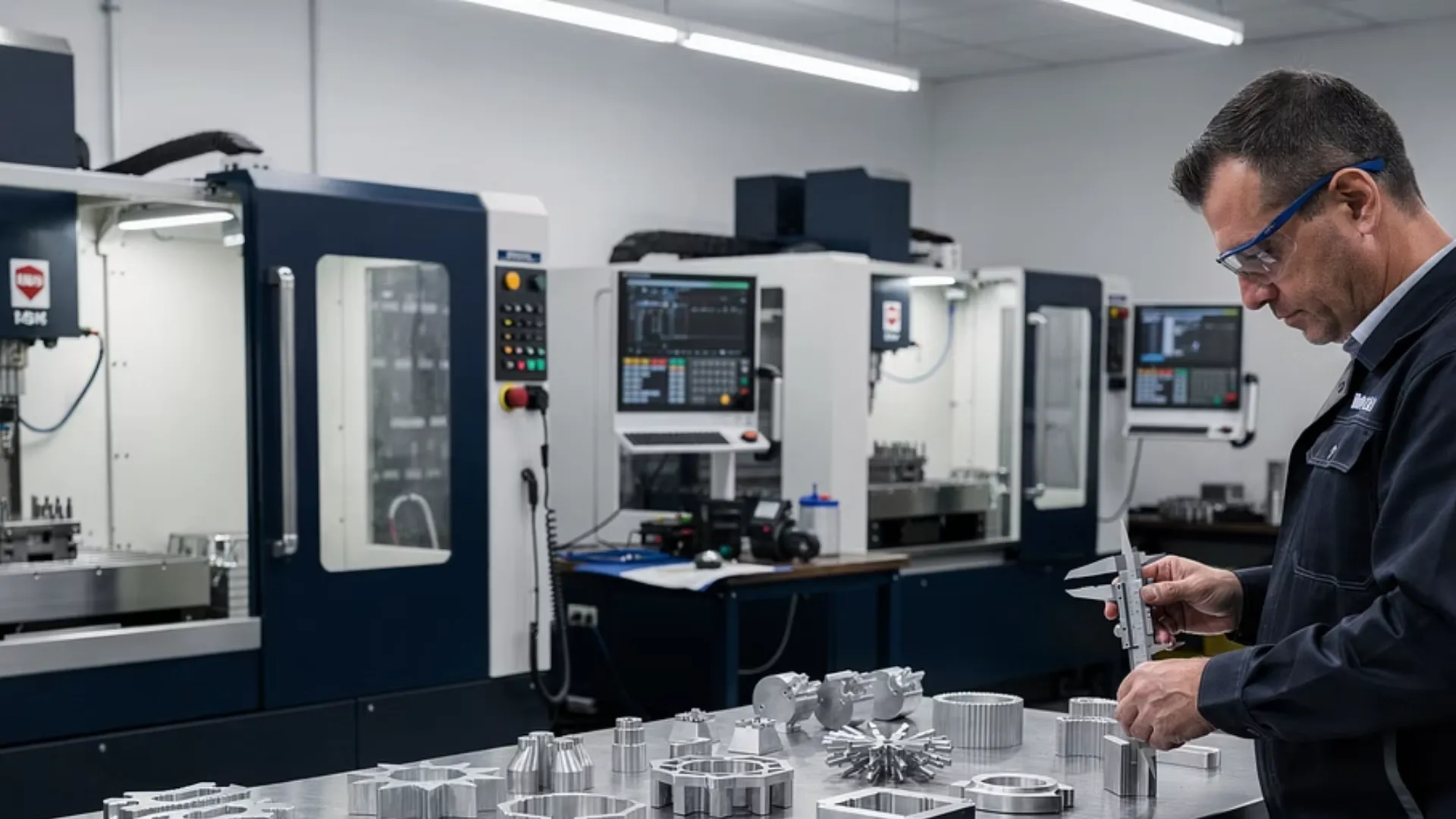
- Quality control: ISO 9001 system with coordinate measuring and full documentary traceability.
- Turnkey projects: from design and engineering through machining, assembly and delivery as a turnkey project, all within our 10,500 m² facility in Sallent (Barcelona).
Have a CNC aluminium machining project?
Our technical team will assess your drawings, alloy, tolerances and production volumes. Contact MECVIL and receive a technical proposal within 48 hours.