
Industrial Process Engineering: Phases, Tools and Outsourcing
What is industrial process engineering?
Industrial process engineering is the discipline that transforms a production requirement into a manufacturable technical solution. Its scope extends well beyond mechanical design: it encompasses functional process analysis, definition of manufacturing parameters, selection of materials and technologies, and generation of all the technical documentation needed to build, assemble and commission a machine or production line.
In the context of special-purpose machinery, process engineering acts as a bridge between what the client needs and what the factory can produce. Without this phase, the leap from concept to fabrication becomes an exercise in improvisation with unpredictable costs and timelines.
At MECVIL, our engineering department has more than 30 engineers and a capacity of 3,000 hours per month devoted exclusively to mechanical, electrical and automation design. This capacity allows us to run several complete engineering projects simultaneously, from the conceptual phase through to manufacturing documentation.
Phases of a process engineering project
An industrial process engineering project is structured in sequential phases, each with defined deliverables and gate criteria:
| Phase | Scope | Deliverables |
|---|---|---|
| Concept | Needs analysis, feasibility study, functional process definition, initial cost and schedule estimates | Functional specification, preliminary layout, budget estimate |
| Basic design | Overall machine architecture, technology selection (actuators, sensors, controls), principle schematics | 3D assembly drawings, P&ID schematics, preliminary bill of materials |
| Detailed design | Complete 3D CAD modelling, manufacturing drawings with tolerances, electrical schematics (EPLAN, See Electrical), FEA simulation of critical components | Manufacturing drawings, electrical schematics, final BOM, assembly instructions |
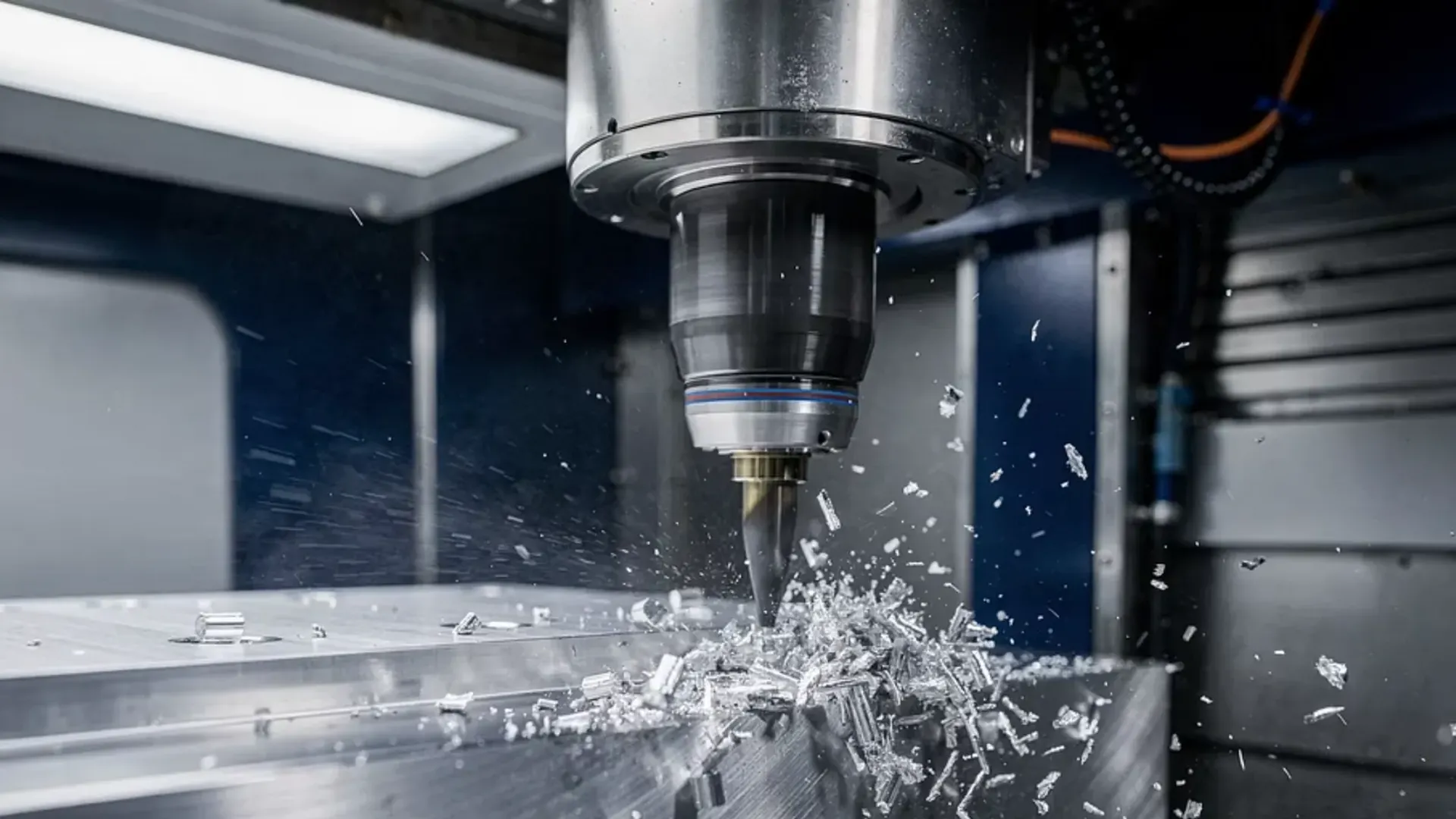
| Manufacturing | Technical support during CNC machining, resolution of shop-floor queries, change control | Work orders, process sheets, engineering change management |
| Commissioning | Support during assembly, parameter adjustment, FAT/SAT testing, final documentation | FAT protocol, operation manual, CE technical file |
The sequence is not rigid. On tight-schedule projects, concurrent engineering is applied: detailed design of the first sub-assemblies advances while basic design of the last ones is still being finalised. This controlled overlap can reduce the overall timeline by 20 % to 30 %, provided project configuration is managed rigorously.
Need to develop the complete engineering for a machine or process?
Request a technical consultation and we will define the scope, phases and schedule of your project together.
Tools: CAD, CAM and FEA simulation
The quality of process engineering depends directly on the tools employed. At MECVIL we work with a software ecosystem that covers the entire design and validation cycle:
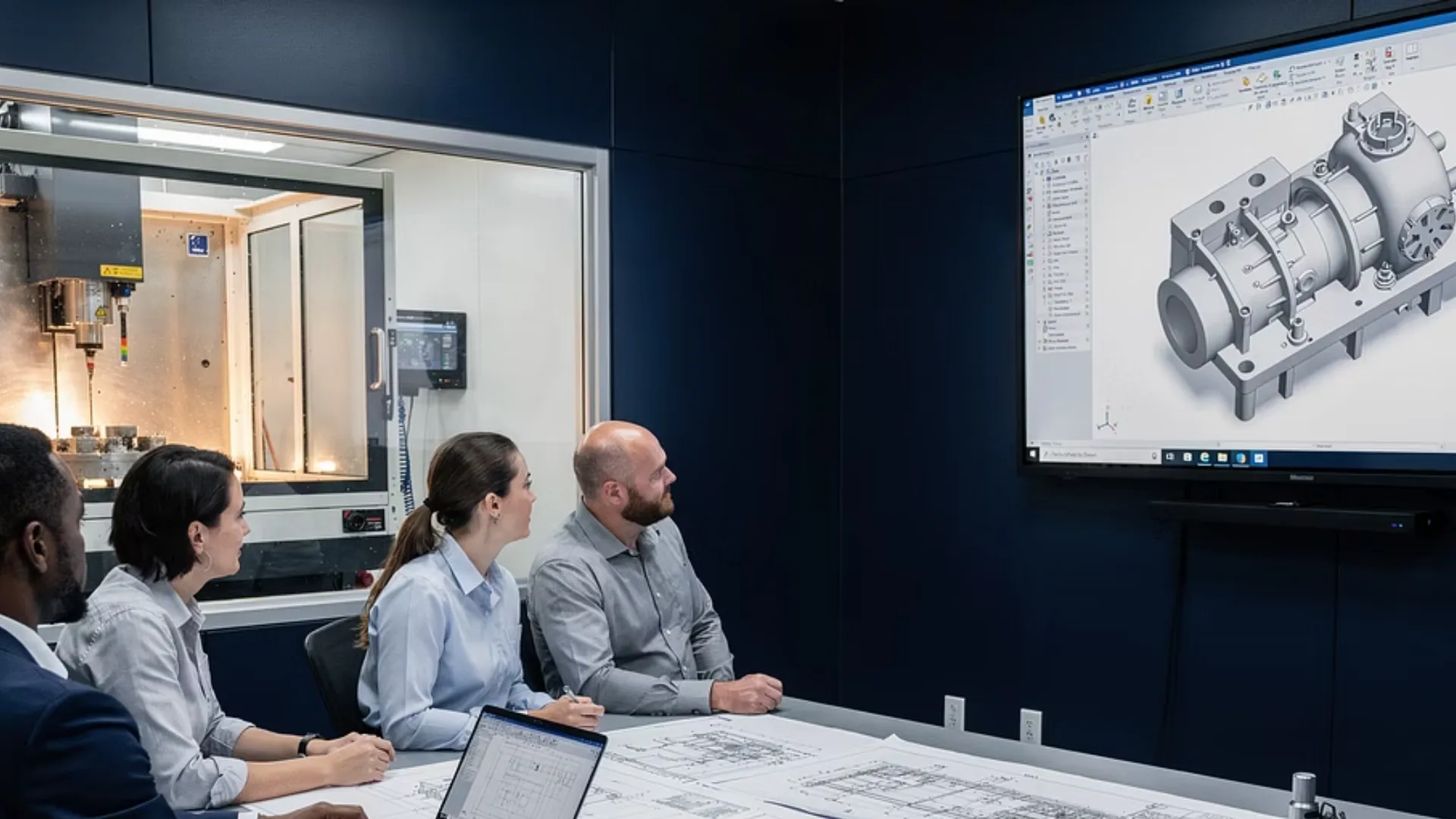
- Parametric 3D CAD: complete modelling of machines and assemblies, with configuration management and interference checking. 3D design detects collisions and assembly issues before the first part is manufactured
- Integrated CAM: machining programs generated directly from the 3D model, eliminating transcription errors and ensuring consistency between design and finished part
- FEA simulation (Finite Element Analysis): structural validation of critical components under static, dynamic and thermal loads. FEA simulation optimises the design before manufacture, reducing iterations and material costs
- EPLAN and See Electrical: electrical design with automatic generation of cable lists, terminal strips and wiring diagrams. Integration with the mechanical design prevents incompatibilities between the two disciplines
- Virtual validation (VR): design review in an immersive environment that allows the client to walk through the machine before it is built, identifying ergonomic or maintenance-accessibility issues
Integration between these tools is essential. When the 3D CAD model feeds directly into CAM, FEA simulation and electrical schematics, manual re-entry of data is eliminated and every department works from the same design baseline.
When should you outsource process engineering?
Not every company needs or can sustain a full in-house engineering department. Outsourcing process engineering makes sense in several scenarios:
- Workload peaks: your technical office can handle day-to-day operations, but a new project demands a volume of design hours that cannot be absorbed without temporary hiring
- Disciplines not covered: the machine requires mechanical, electrical and automation engineering, but your team only masters one of them. A partner with multidisciplinary capability integrates all specialities under a single management structure
- From concept to manufacturing: when the project starts from a functional specification and needs to pass through every phase up to manufacturing documentation, a turnkey project with engineering included simplifies management
- Regulations and CE marking: machine design must comply with the Machinery Directive and Regulation 2023/1230. An engineering team experienced in regulatory requirements generates the technical documentation (risk analysis, technical file, declaration of conformity) from the very start of the design
The key to effective outsourcing is choosing a partner that not only designs but also manufactures. When engineering and production are under the same roof, the designer knows the real shop-floor capabilities — achievable tolerances, available materials, CNC machine limitations — and produces drawings that can be manufactured without rework.
Process engineering at MECVIL
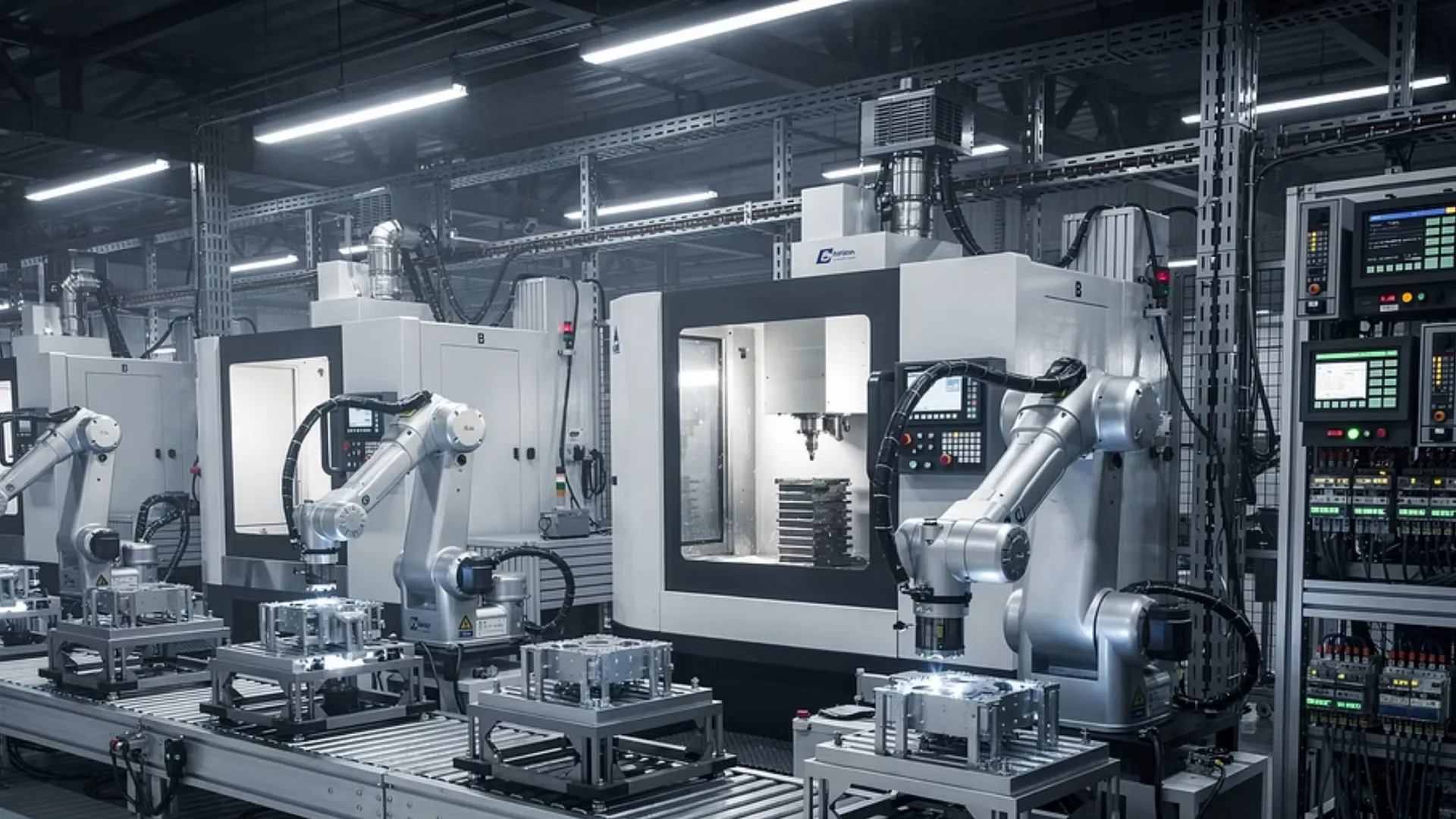
At MECVIL, process engineering is not a standalone service: it is the starting point of a 360° turnkey project where the same organisation designs, manufactures, assembles and commissions. This vertical integration means that every design decision is taken with direct knowledge of what will happen in the subsequent phases.
Our engineering capabilities include:
- 30+ engineers — mechanical, electrical and automation
- 3,000 h/month of design capacity
- 3D CAD, CAM, FEA simulation, EPLAN and See Electrical tools
- Virtual validation (VR) of designs before manufacture
- 110+ professionals and 10,500 m² of facilities that allow us to turn design into reality without changing supplier
- ISO 9001 certification with traceability of every design revision
The result is process engineering that does not stay on paper. Every drawing is designed to be manufactured in our own CNC machining and assembly facilities, eliminating the usual gap between the drawing office and the shop floor.
Looking for an industrial partner for the engineering of your next project?
Contact MECVIL and we will analyse your technical requirements, engineering scope and execution plan together.