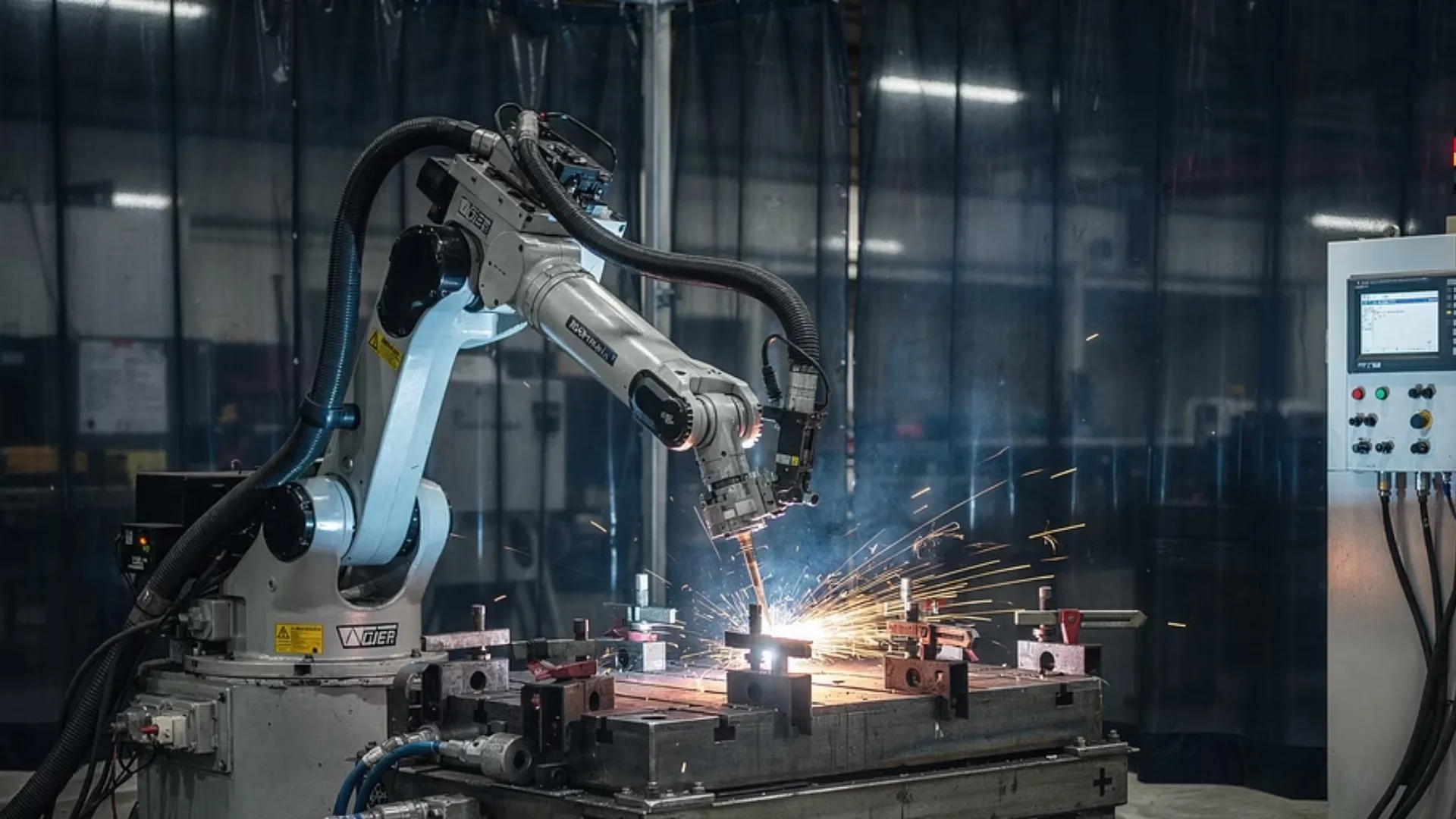
Robotic Welding: Processes, Benefits and Industrial Integration
The European robotic welding market is valued at 2.1 billion dollars in 2024, with projected growth to 4.9 billion by 2034 (CAGR 9.1%). Europe is accelerating the adoption of robotic welding in response to the growing shortage of qualified manual welders. With fiscal incentives for industrial automation in force in 2026, investing in robotic welding cells has never been more attractive.
What is robotic welding
Robotic welding is the automation of the metal component joining process using industrial robots fitted with a welding torch. The robot follows programmed trajectories with consistent precision and repeatability, eliminating the variability inherent in manual operation.
The principal processes suitable for automation include:
- MIG/MAG (GMAW) — the most widely used process in robotic welding, offering high deposition rates and ease of automation
- TIG (GTAW) — for critical joints on stainless steel and aluminium, where bead precision is essential
- Laser welding — high speed, reduced heat-affected zone, ideal for thin materials
- Plasma welding — deep penetration for heavy-gauge materials in heavy industry
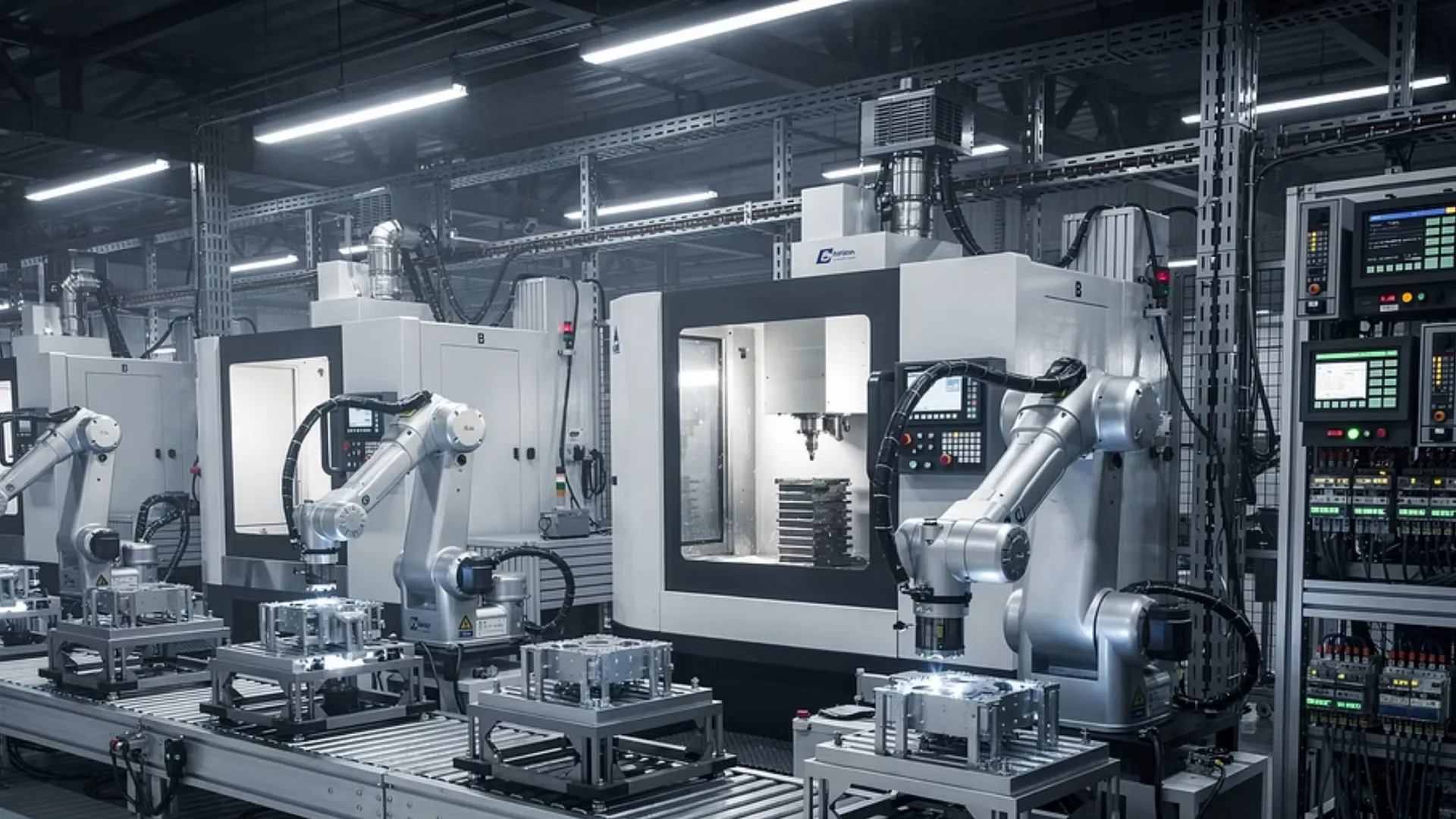
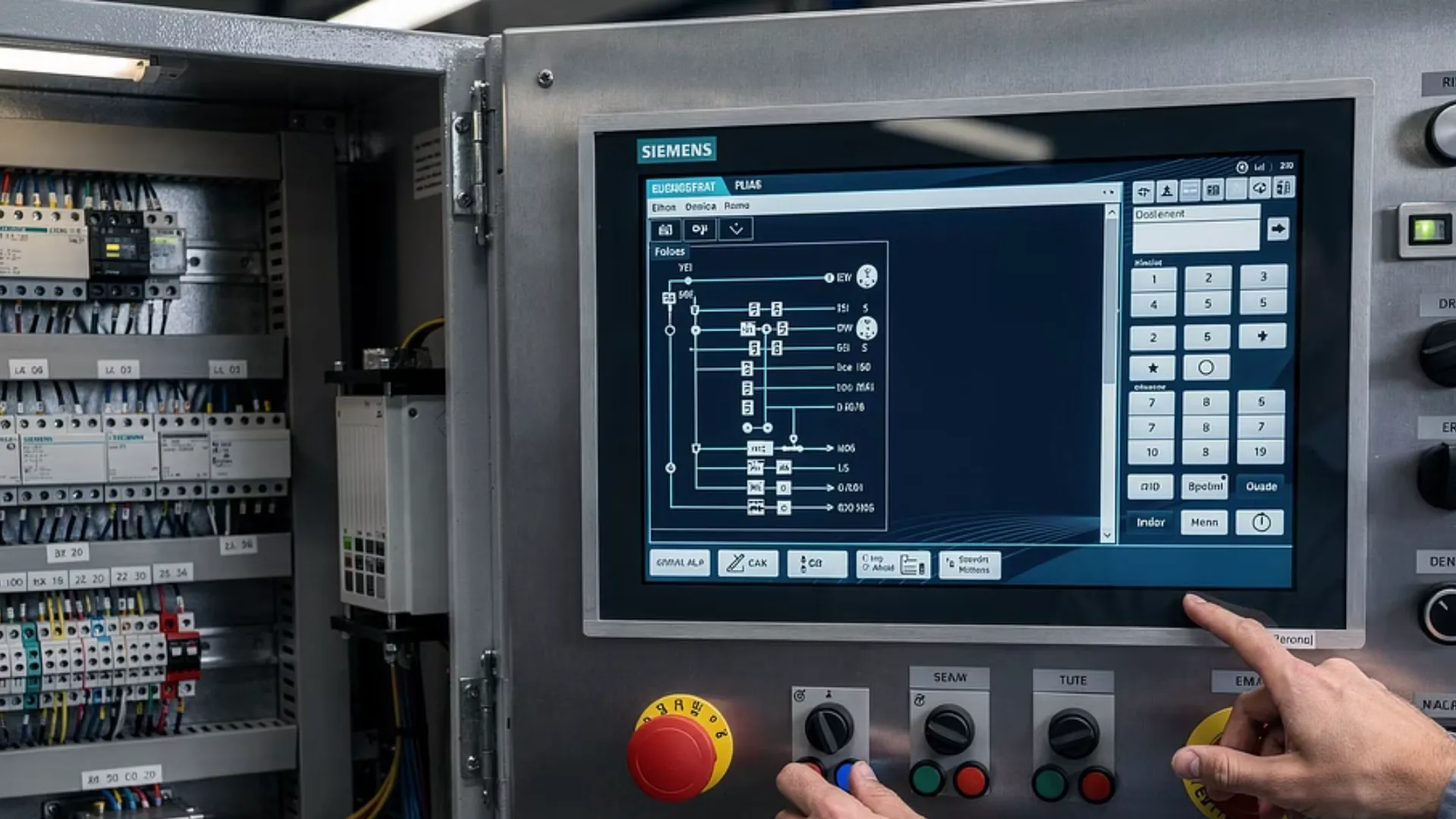
A typical robotic welding cell comprises: an anthropomorphic robot (6 axes), workpiece positioner, welding power source, wire feed system, fume extraction and a control system with operator interface.
Advantages of robotic welding over manual welding
The transition from manual to robotic welding delivers measurable benefits:
| Parameter | Manual welding | Robotic welding |
|---|---|---|
| Repeatability | Variable (operator-dependent) | Consistent (programmed trajectories) |
| Speed | Standard | Up to 50% faster |
| Bead quality | Variable | Uniform and documentable |
| Duty cycle | 20-30% | 60-80% |
| Operator safety | Exposure to fumes and radiation | Operator removed from welding zone |
| Traceability | Manual | Automatic (parameters recorded) |
Flexible robotic welding cells with ABB robots have demonstrated cycle time reductions of up to 50% in the production of pressure vessels for the pharmaceutical sector.
Standards and certifications for robotic welding
The regulatory framework for robotic welding follows the same standards as manual welding, with additional requirements for the qualification of robotic operators:
- ISO 3834 (Parts 1-5) — Quality requirements for fusion welding of metallic materials. Three certification levels: comprehensive, standard, elementary. Applies to manual, semi-automatic AND robotic welding.
- EN ISO 14732:2025 — Test for qualification of welding operators and weld setters for mechanised and automatic welding processes, including robotic welding.
- EN ISO 9606 — Qualification of manual welders for steel and aluminium.
- ISO 14731 — Welding coordination: tasks and responsibilities of the coordinator.
- WPS / WPQR — Welding procedure specification and qualification. Essential documentation for every process.
Do you need to integrate robotic welding into your production lines?
Request a quotation — our engineering team designs and integrates complete welding cells.
When robotic welding makes sense
Robotic welding is not always the optimal choice. The decisive factors include:
Robotic welding is advantageous when:
- Volumes justify the investment (repetitive runs, even small batches with flexible tooling)
- Weld seams are accessible and repeatable (consistent geometry between parts)
- Quality demands traceability and documentable uniformity
- A shortage of qualified manual welders limits production capacity
- Safety requirements demand that the operator be removed from the welding zone
Manual welding remains preferable when:
- Parts are unique or highly variable (prototypes, repairs)
- Welding positions are difficult for a robot to reach
- Batches are very small and programming time would exceed welding time
The trend towards cobotisation (collaborative robots such as Universal Robots and ABB GoFa) is lowering the barrier to entry, making robotic welding accessible to SMEs with small and medium production runs.
Robotic welding trends in 2026
- 1.Machine vision with deep learning — vision systems (Cognex) with artificial intelligence algorithms enable joint tracking with sub-millimetre precision, automatically compensating for part-to-part variations.
- 1.Cobotisation — compact cells with collaborative robots, drag-and-teach programming, reduced safety barriers and minimal footprint.
- 1.SCADA and Industry 4.0 integration — real-time monitoring of robot status, welding parameters and full production cycle traceability.
- 1.Offline programming — simulation and trajectory programming in a virtual environment, reducing set-up time and machine downtime.
- 1.Fiscal incentives — various European and national programmes supporting industrial robotic automation directly incentivise the purchase of robotic welding cells in 2026.
Robotic welding integrated into special machine building
Robotic welding delivers maximum value when integrated into a complete automatic machine building system. It is not simply about welding: it is about designing the cell, manufacturing the positioning fixtures, programming the robot, integrating the vision system and commissioning the entire line.
MECVIL has a 600 m2 welding workshop equipped with MIG/MAG, TIG stations and robotic welding cells with ABB industrial robots. Our welders are qualified in accordance with the applicable ISO standards.
What sets MECVIL apart is vertical integration. In a single 10,500 m2 facility in Sallent (Barcelona), we combine:
- [Engineering](/en/servicios/ingenieria) — 3,000 h/month of mechanical and electrical design
- [CNC machining](/en/servicios/mecanizado) — 5,000 h/month, milling up to 20 metres of travel
- Welding — 600 m2 of dedicated workshop, manual and robotic
- [Assembly](/en/servicios/montaje) — 5,000 h/month of electromechanical assembly
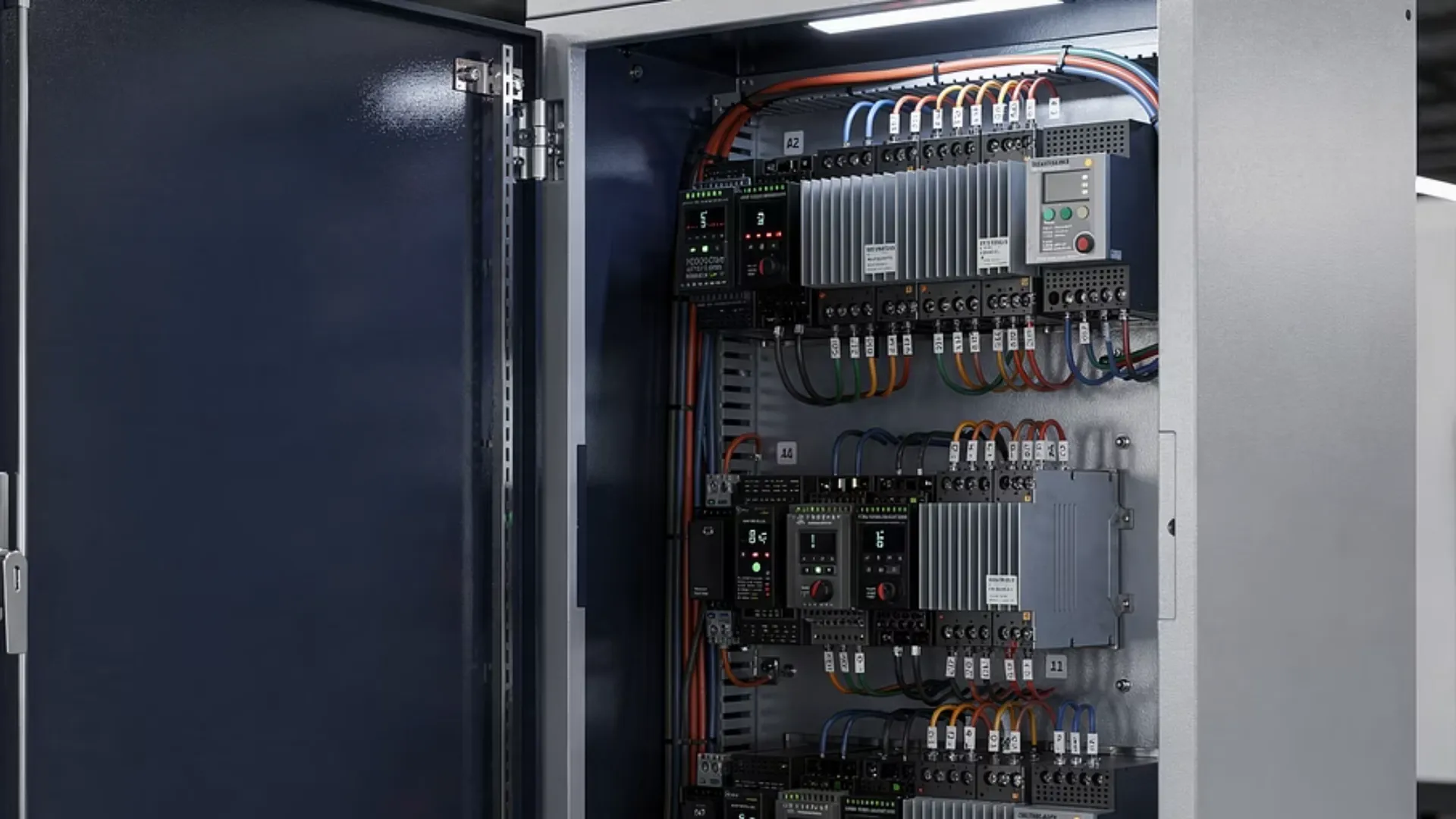
- [Electrical division](/en/servicios/electrica) — PLC programming, electrical panels, Cognex machine vision
Over 110 professionals, including 30+ engineers, deliver turnkey projects — from design through to commissioning at the customer's facility. ISO 9001 certified.
Have a robotic welding project? Contact MECVIL for a no-obligation quotation. 50 years of experience in metal fabrication and integrated capability from engineering to delivery.