What is robotic welding? Cells, advantages and applications
What is robotic welding?
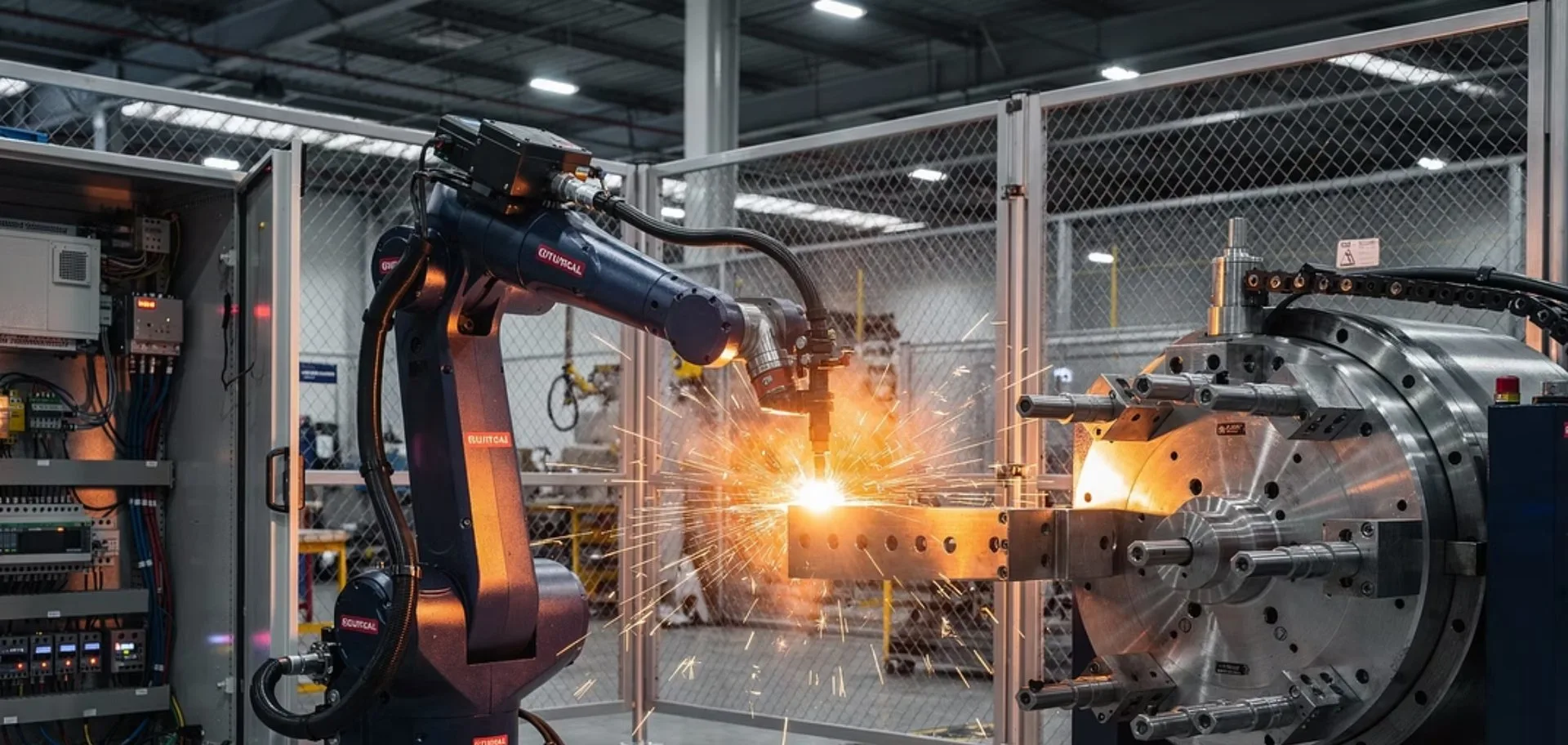
Robotic welding is the automation of the welding process using industrial robots programmed to execute weld seams with repeatable precision, constant speed and uniform quality. In a robotic welding cell, the robot replaces the manual welder in repetitive operations, whilst the skilled operator handles programming, supervision and higher value-added tasks.
In industrial machinery manufacturing, robotic welding is primarily applied to MIG/MAG and TIG processes, where seam consistency and productivity are critical factors. A welding robot operates continuously with electronically controlled parameters: travel speed, amperage, voltage and arc oscillation, eliminating the variability inherent in manual welding.
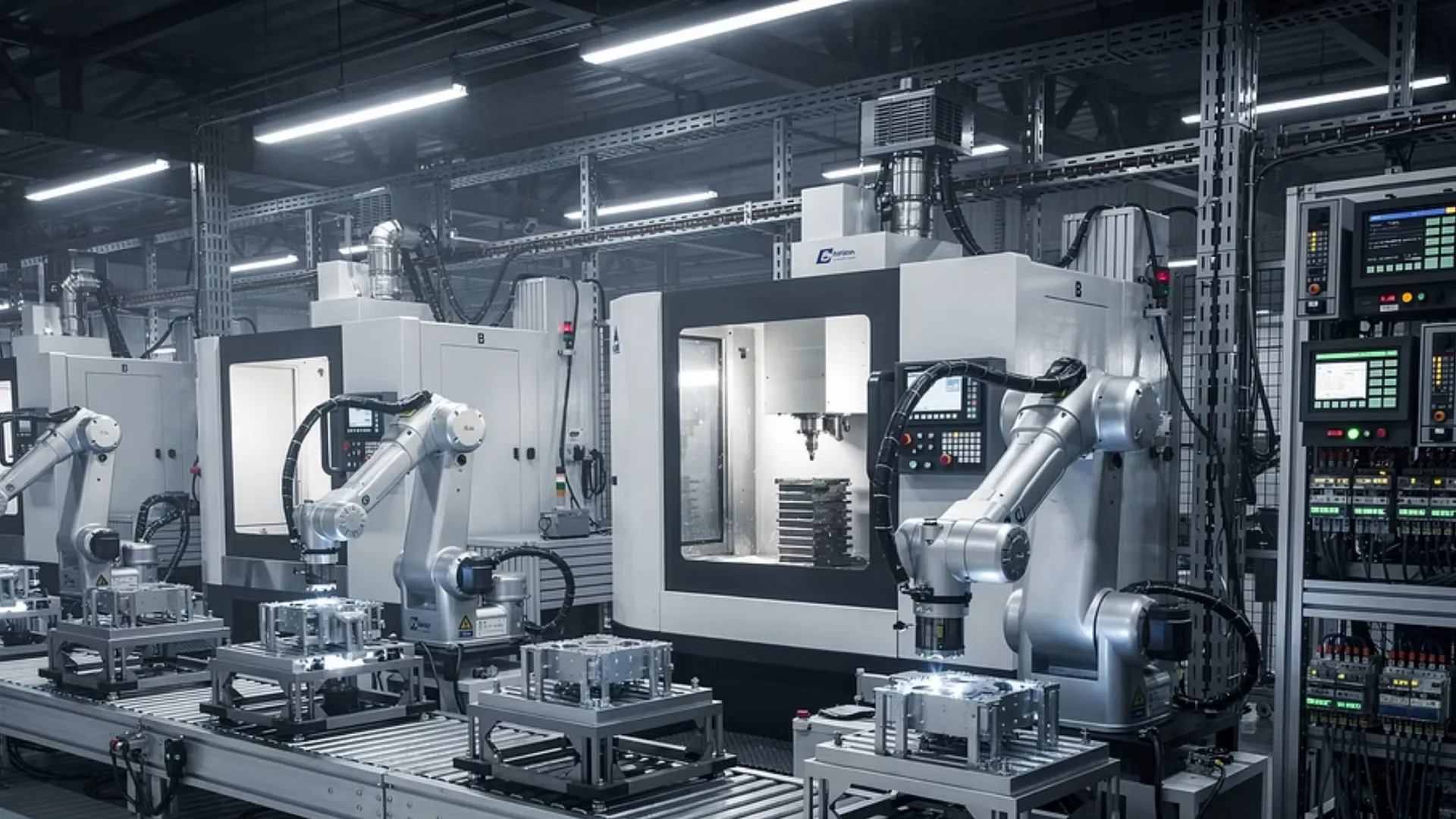
At MECVIL we manufacture stations and robotic welding cells as part of our industrial automation service. Our experience includes stations with integrated robot and welding equipment, as well as cells with two robots for simultaneous operations.
Advantages of robotic welding over manual welding
The decision to robotise a welding process is based on quantifiable advantages:
| Aspect | Robotic welding | Manual welding |
|---|---|---|
| Productivity | 5–6× higher (continuous operation) | Decreases with shift fatigue |
| Consistency | Electronically controlled, repeatable | Operator-dependent |
| Defects | Minimal (porosity, lack of fusion) | Greater variability |
| Safety | Operator away from arc, fumes and UV | Direct exposure |
| Payback | Typically < 18 months | N/A |
The 5 to 6 times higher productivity is explained by the fact that the robot maintains an active arc factor (actual welding time relative to total cycle time) close to 80–90 %, compared with 20–30 % for a manual welder who spends the remaining time repositioning, changing electrodes, cleaning spatter and resting.
The reduction in defects translates into less rework and scrap, which directly impacts quality costs and welding quality compliance for metal structures.
Are you considering robotising your welding process?
At MECVIL we design and manufacture turnkey robotic welding cells. Request a technical consultation.
Robotic welding cells: types and configurations
The cell configuration depends on production volume, workpiece size and seam complexity:
Cell with rotary positioner
The robot welds whilst a positioner (rotary or tilting table) orients the workpiece so that the seam is always executed in the optimal position (flat or horizontal). This maximises seam quality and simplifies programming.
Two-station cell
Whilst the robot welds at one station, the operator loads and unloads the workpiece at the other. Loading time does not penalise arc time. At MECVIL we manufacture tooling transfer carriages for this type of cell, which allow the welding zone to be fed whilst the robot works, maximising productivity.
Two-robot cell
For workpieces requiring simultaneous welding at multiple points or combined processes (for example, one robot welds whilst the other positions). At MECVIL we have manufactured two-robot cells for welding operations in the automotive sector.
In-line integrated cell
The robotic welding station forms part of a broader automated production line, connected to loading, inspection and unloading stations. Communication with the central PLC ensures traceability and synchronisation with the rest of the line.
When is it worth robotising welding?
Robotic welding is not the answer to every project. It is the right option when the following conditions are met:
- Sufficient volume: the investment in robot, cell, tooling and programming pays back with medium and high volumes. For one-off parts or very short runs, manual welding with skilled welders remains more efficient.
- Repetitive seams: if the same weld is repeated part after part with the same specifications, the robot delivers consistency and speed.
- Strict quality requirements: applications with non-destructive testing (NDT) inspection, structural welding standards or pressure regulations demand a consistency that manual welding can rarely guarantee.
- Hazardous or ergonomically unfavourable environment: awkward positions, environments with fumes or UV radiation justify robotisation on occupational safety grounds.
- Integration with other automated processes: if the line already has assembly robots or automatic stations, adding robotic welding maintains the coherence of the production flow.
Conversely, manual welding remains preferable for repairs, prototypes, parts with highly variable geometry or field work where installing a cell is not feasible.
Integration process for a robotic welding cell
Integrating a robotic welding cell into a production plant requires a multidisciplinary process that goes well beyond purchasing a robot:
- 1.Process analysis: assessment of current seams, volumes, materials, thicknesses and quality requirements
- 2.[Design engineering](/en/servicios/ingenieria): 3D cell design, robot selection (reach, payload, axes), positioner, extraction system and clamping fixtures
- 3.Fixture manufacturing: CNC machining of bases, clamps, support points and centring elements with precision tolerances
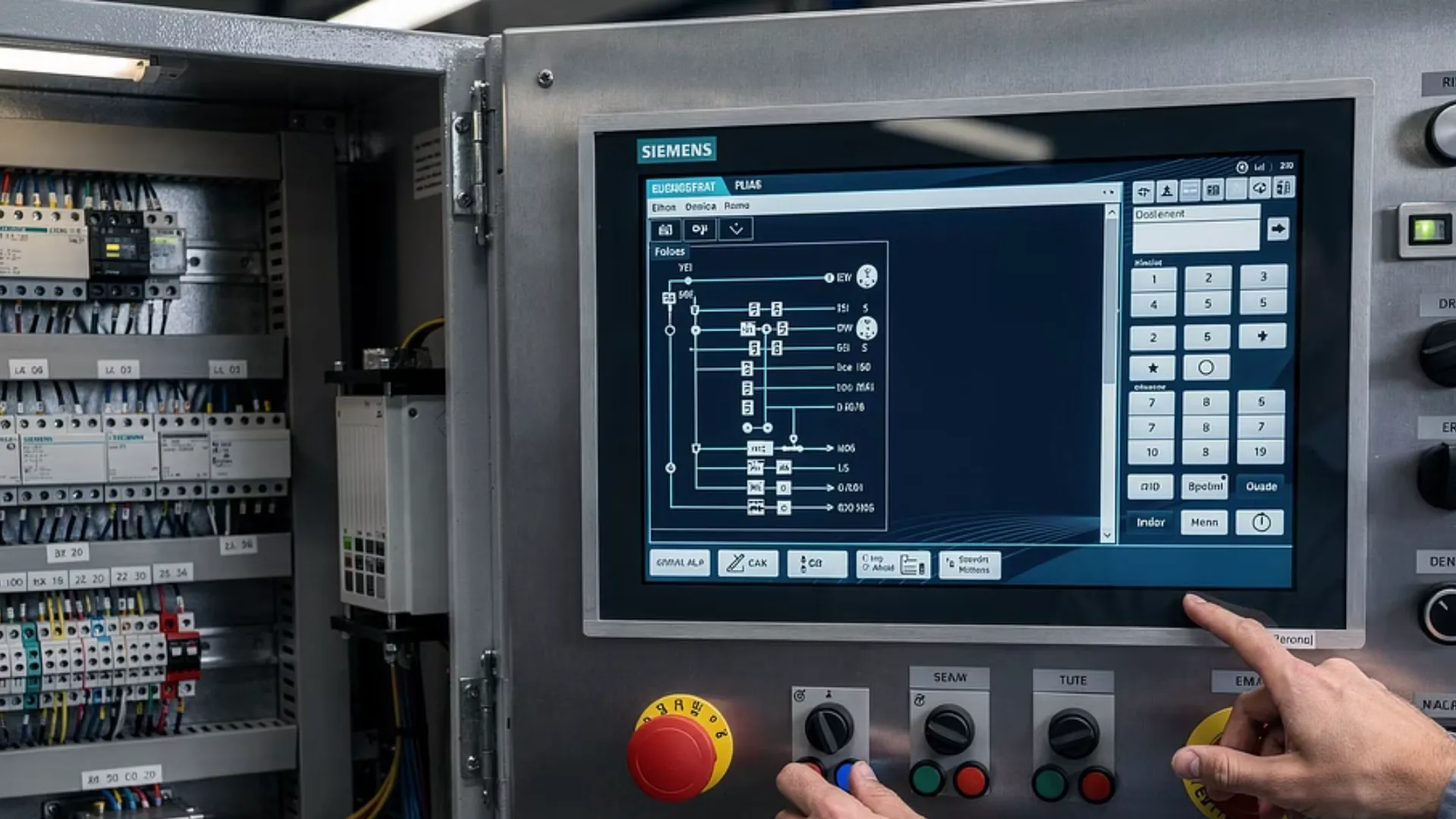
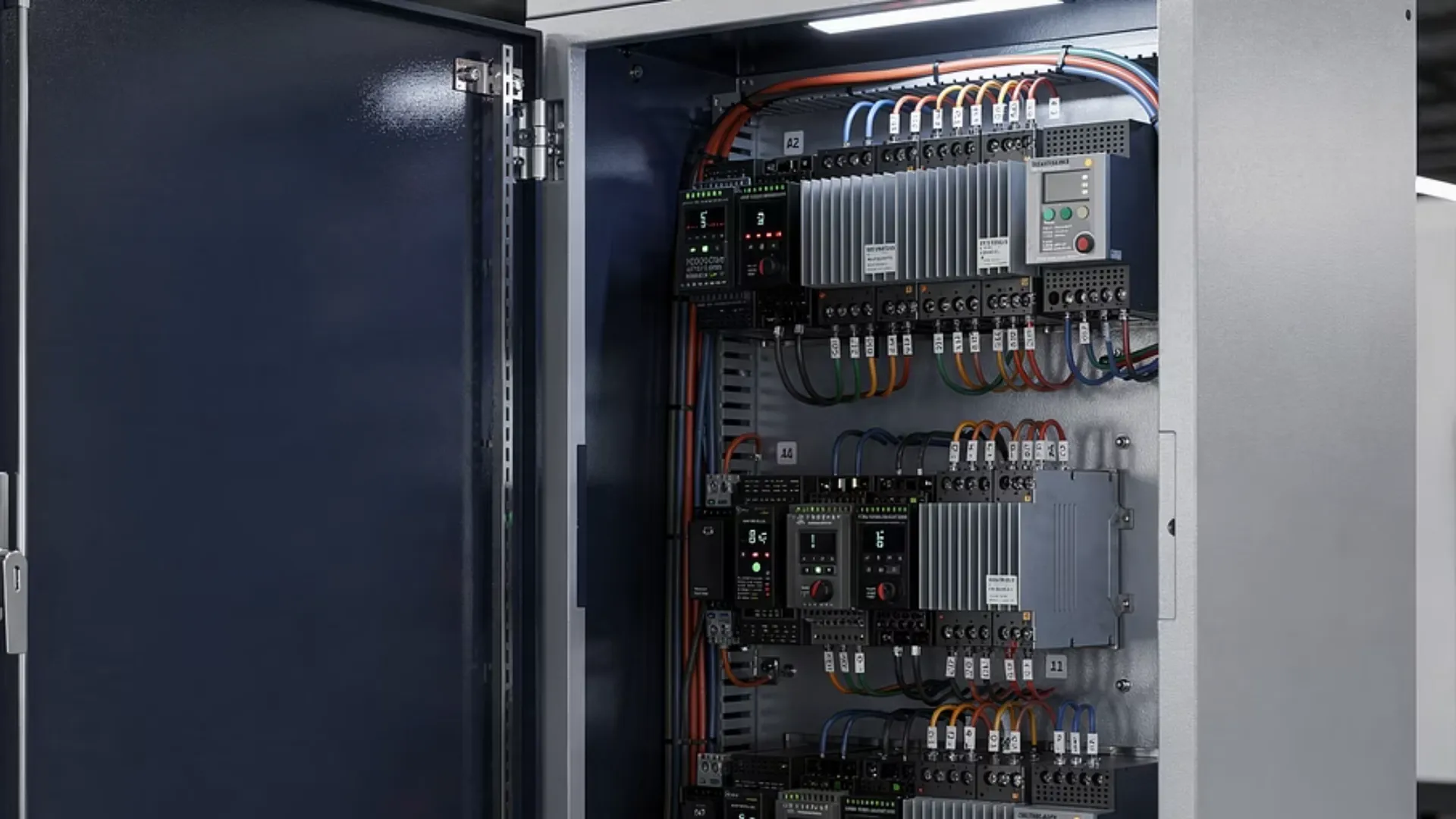
- 4.Electrical integration: power and control panel, PLC programming, HMI interface, safety barriers and communication with the welding power source
- 5.Robot programming: trajectory definition, welding parameters (amperage, voltage, speed), start/end points, torch management
- 6.Validation (FAT/SAT): functional tests with real workpieces at our assembly facilities, followed by commissioning at the client's plant
At MECVIL we carry out all 6 phases under one roof as part of our 360° turnkey service. We do not outsource robot programming or electrical integration: everything is managed in-house with a single point of contact, applying lean manufacturing principles to optimise each phase.
Sectors with the highest demand for robotic welding
According to IFR data (2024), 44 % of industrial robots installed in Spain are destined for the automotive sector, where welding is one of the main applications. The sectors with the greatest demand for robotic welding are:
- Automotive: bodywork, chassis, exhaust components, structural sub-assemblies
- Heavy manufacturing: machine beds, press frames, gantry structures
- Structural steelwork: beams, columns and structural nodes for certified metal structures
- Energy: turbine components, pressure vessels, wind towers
- Railway: bogies, frames, structural elements of rolling stock
At MECVIL we serve 13 industrial sectors and manufacture both the robotic welding cells and the structures that are subsequently welded in them, in our 600 m² welding workshop.
Need a robotic welding cell designed, manufactured and commissioned by a single supplier?
At MECVIL we combine engineering, mechanical manufacturing, electrical integration and robot programming under one roof as part of our industrialisation service. Contact our technical team to evaluate your project.