
Precision engineering: a practical guide from the machinery manufacturer
What is precision engineering?
Precision engineering is the set of machining processes that enable the manufacture of metal components with tight dimensional tolerances, controlled surface finishes and guaranteed repeatability. It is not simply a matter of having a precise CNC machine: it is about controlling the entire process — from raw material to finished, verified part — with the documentation and traceability that modern industry demands.
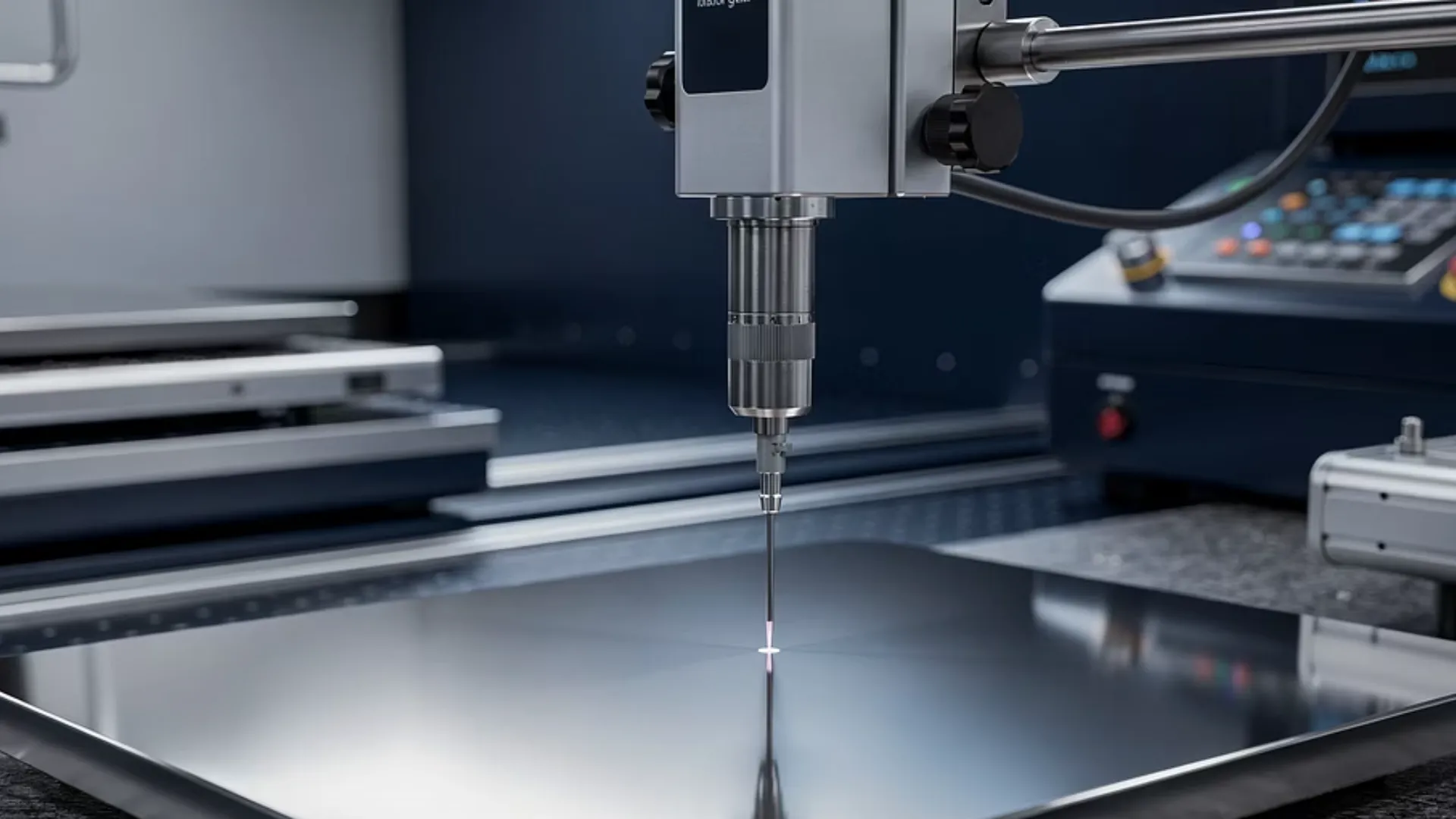
In practice, industrial precision machining works with tolerances ranging from ±0.025 mm (IT7-IT8 grades, the standard reference in CNC machining) down to ±0.005 mm for aerospace or instrumentation applications. Achieving these figures requires thermal stability, clamping rigidity, quality tooling and coordinate measuring.
At MECVIL, precision engineering is a cross-cutting capability that we apply to CNC milling, CNC turning, grinding and 5-axis machining. Our ISO 9001 quality system guarantees the inspection and traceability protocols for every specified tolerance.
Machining processes in precision engineering
A complete precision machine shop integrates several processes under one roof:
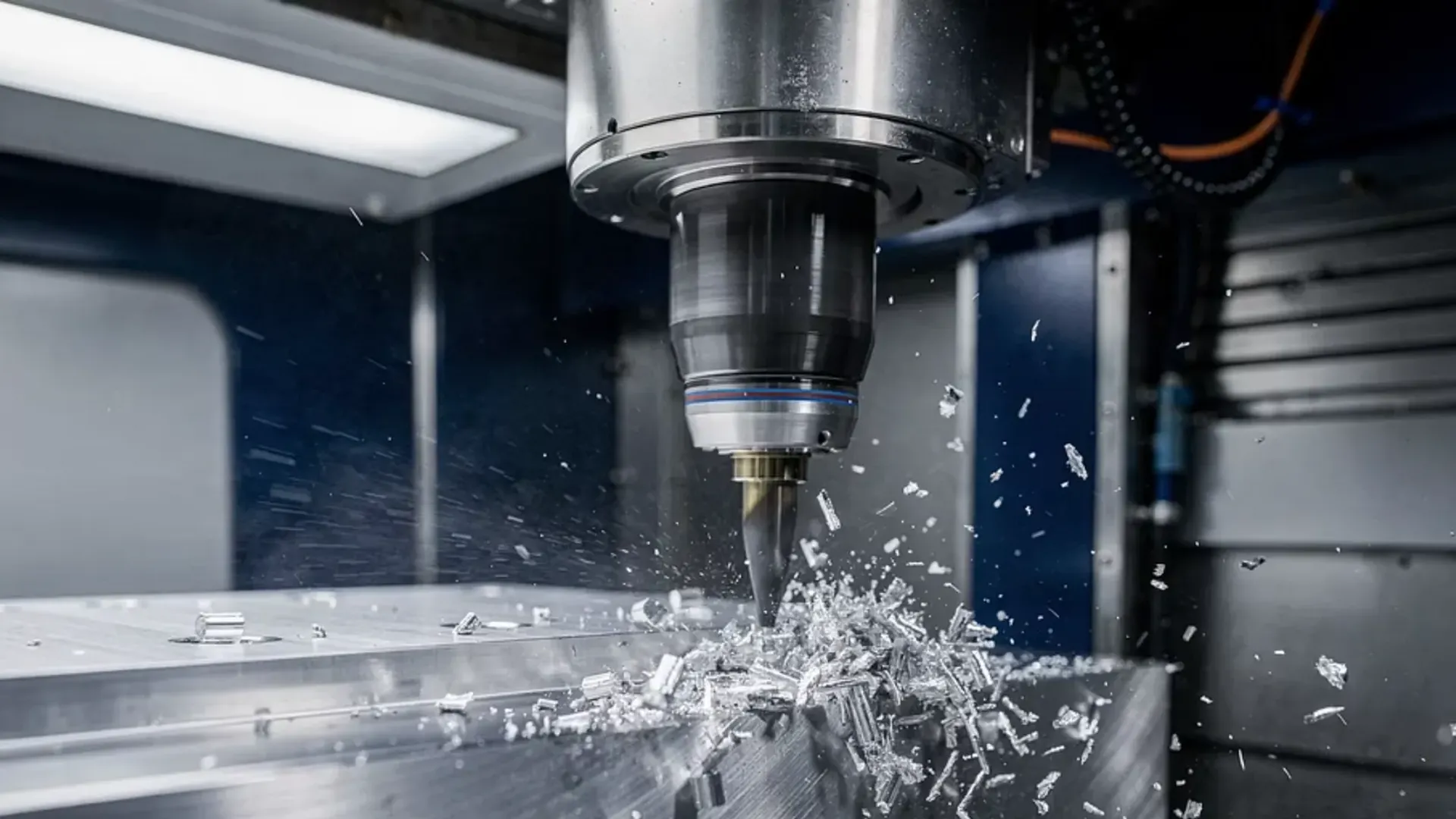
- [CNC milling](/en/noticias/fresado-cnc-guia-completa): machining of flat surfaces, cavities, 3D profiles and complex geometries. With simultaneous 5-axis machining centres, the workpiece can be machined in a single set-up, eliminating repositioning errors.
- [CNC turning](/en/noticias/torneado-cnc-industrial): machining of rotationally symmetrical parts — shafts, bushings, flanges, fittings. Typical tolerances down to ±0.02 mm.
- Precision grinding: for surface finishes below Ra 0.8 µm and tight geometric tolerances (cylindricity, flatness).
- [Wire EDM](/en/noticias/electroerosion-hilo-aplicaciones): for complex profiles in hardened steel, tungsten carbide and difficult alloys. Tolerances down to ±0.005 mm.
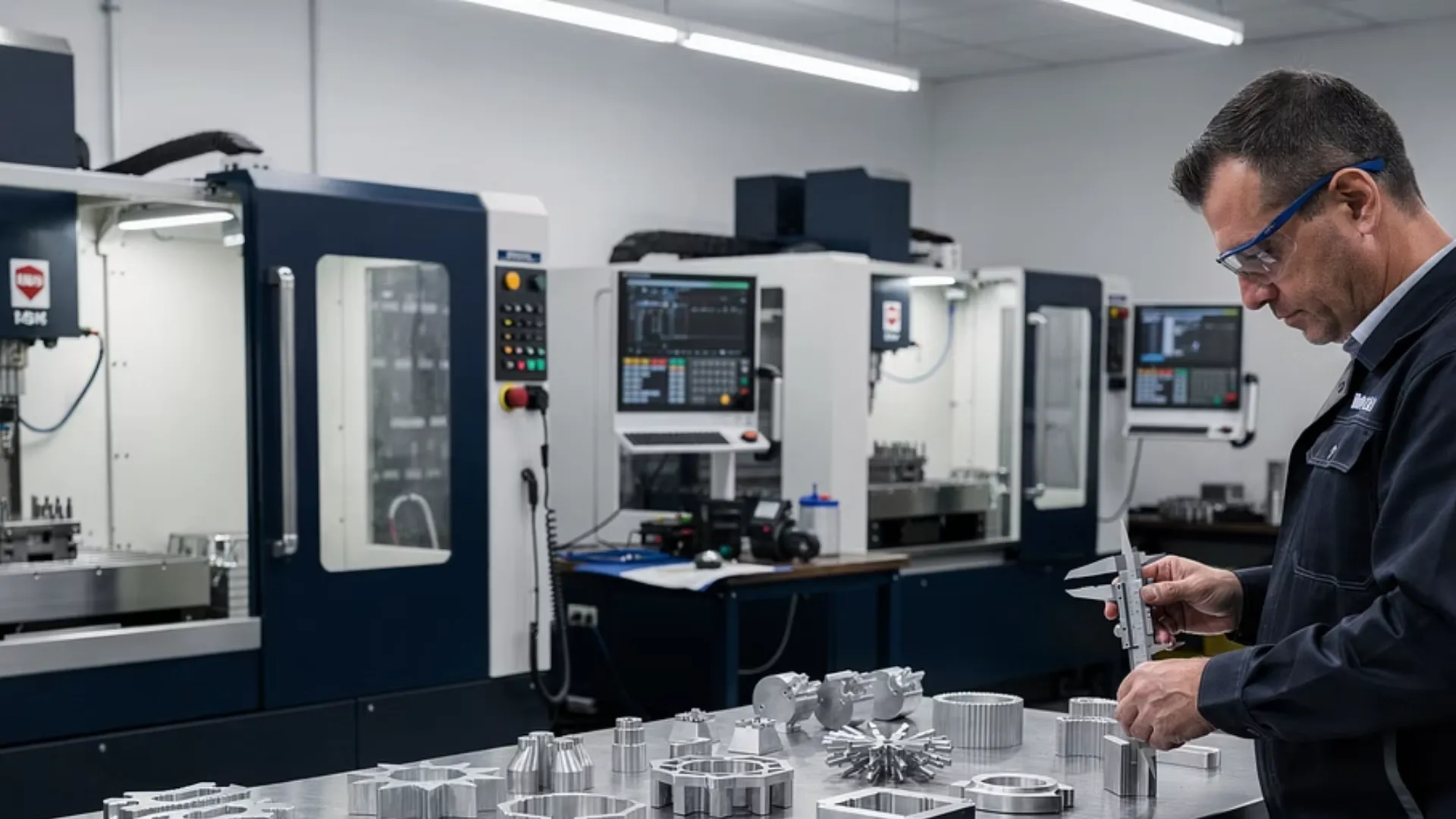
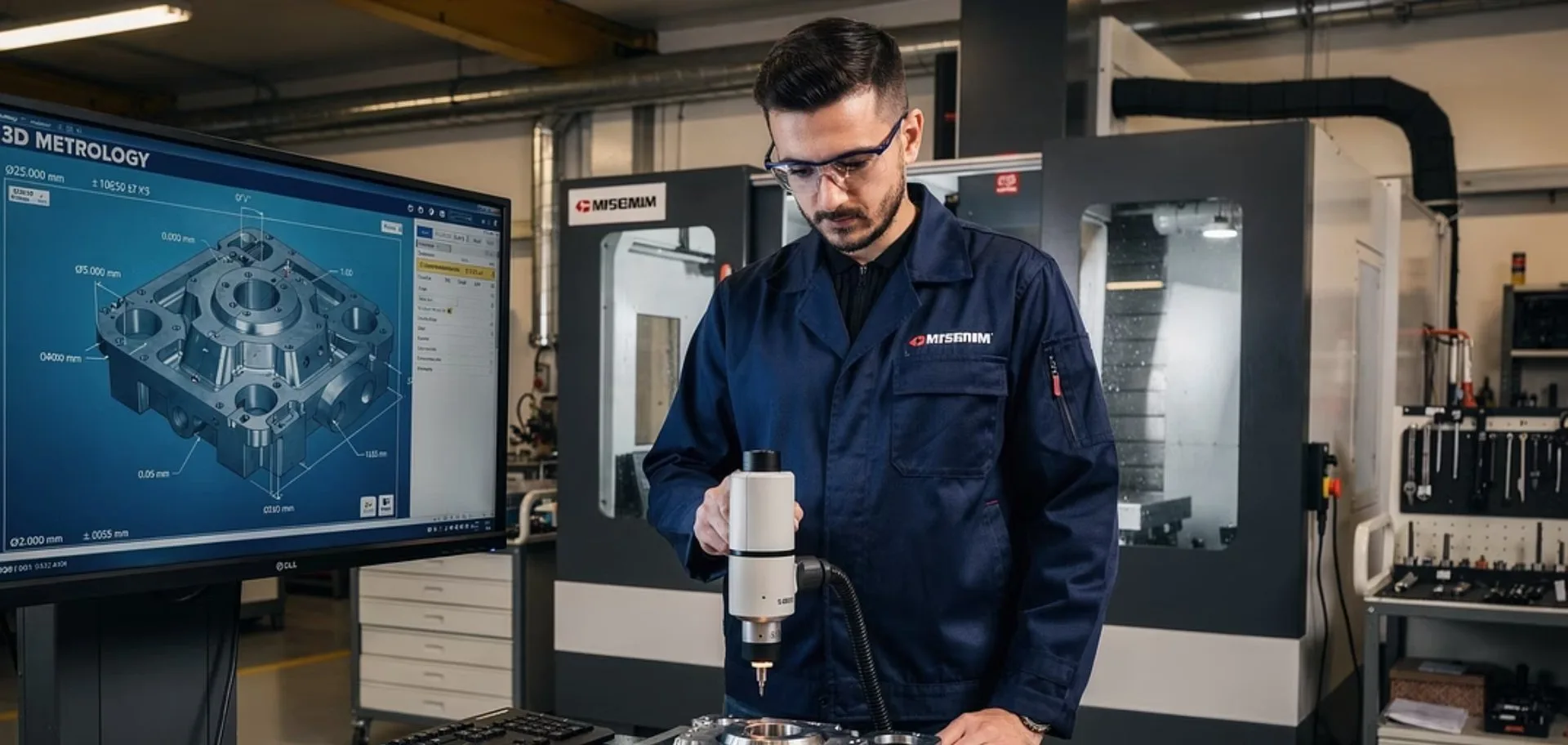
- Coordinate measuring (CMM): dimensional verification of all toleranced features with documented reports.
At MECVIL we have fixed-bed milling machines with travels up to 20 metres and CNC machining centres that allow us to machine parts from a few centimetres up to large-format structures.
Do you need precision machining?
Send us your drawings and our technical team will assess tolerances, materials and lead times.
Tolerances and surface finishes
The ability to achieve tight tolerances repeatably is what defines industrial precision engineering.
| Precision level | Tolerance | Typical application |
|---|---|---|
| Standard | ±0.1 mm | General production, non-critical components |
| Precision | ±0.025 mm | Bearing seats, guideways, sealing surfaces |
| High precision | ±0.005 mm | Aerospace components, instrumentation |
The most common reference on industrial drawings is ISO 2768-mK (medium linear tolerance + geometric tolerance K). For cylindrical parts, fit tolerances follow ISO 286.
Surface finish is measured in Ra (arithmetical mean roughness):
- Ra 3.2 µm: standard CNC machining finish
- Ra 1.6 µm: finishing pass with optimised parameters
- Ra 0.8 µm: grinding or high-speed milling
- Ra 0.4 µm: fine grinding or lapping
Moving from Ra 3.2 to Ra 0.8 µm increases machining cost by 200–400 %, so it is important to specify only the roughness strictly required for each functional surface.
Materials machined
Each material behaves differently under the cutting tool, directly affecting achievable precision:
- Aluminium (6061-T6, 7075): excellent machinability. Ideal for structural profile machining in the railway, aerospace and defence sectors.
- Carbon steel (C45, 42CrMo4): good machinability, cost-effective. The reference for tooling and machine beds.
- Stainless steel (304, 316L): corrosion-resistant but prone to work hardening. Requires reduced speeds and generous coolant flow.
- Titanium (Ti-6Al-4V): exceptional strength-to-weight ratio. Requires specialised tooling and reduced speeds.
- Cast iron (grey, ductile): rigid and vibration-damping. Chips are abrasive.
- Engineering plastics (POM, PEEK, nylon): low cutting forces but heat-sensitive.
Why choose an integrated precision engineering partner?
When looking for a manufacturing partner for high-precision parts, it is essential to evaluate not just the machine capability but the entire production system:
- 1.Range of processes: milling, turning, grinding, wire EDM, welding — the more processes a manufacturer covers, the less coordination with third parties
- 2.Dimensional capacity: MECVIL machines parts up to 20 metres with simultaneous 5 axes
- 3.Certifications: ISO 9001 quality management, plus CEPYME500 and EcoVadis
- 4.Dimensional inspection: coordinate measuring (CMM) with full reports and traceability
- 5.Service integration: a manufacturer that also offers engineering, assembly and automation can manage turnkey projects
At MECVIL, our CNC machining service is backed by over 10,500 m² of facilities, +110 professionals and the ability to integrate the part into a complete 360° project. We apply lean manufacturing principles to optimise set-up times and reduce per-part cost.
Precision engineering in the European context
Spain boasts one of the strongest industrial fabrics in Europe for precision engineering, with highly specialised machine shops throughout the country. MECVIL, based in Sallent (Barcelona), works with OEMs and engineering offices across Europe as an industrialisation partner for the manufacture of special-purpose machinery.
The advantages for European companies working with MECVIL:
- Competitive production costs compared with northern European levels, with certified quality
- ISO 9001 quality system and quality-controlled welding for metal structures
- PLC Siemens, Omron, Mitsubishi programming — the same brands specified by industrial clients
- Industrial robotics, machine vision and digitalisation integrated into projects
- Barcelona is a 2-hour flight from Europe's major industrial capitals
Looking for a precision engineering partner with integrated capabilities?
At MECVIL we combine CNC machining up to 20 metres, simultaneous 5 axes, grinding, welding and assembly across 10,500 m² of our own facilities. Contact us to discuss your project.